 Wishlist
Small kitchen storage ideas that actually change daily life
People often think a small kitchen means you must sacrifice convenience, but most wasted space comes from overlooked vertical surfaces, ill-fitting organizers and one-off piles on counters. Use small kitchen storage ideas to reclaim those pockets—behind doors, under sinks, on cabinet sides and up the walls—so the space you do have works harder.
1. Use vertical shelving and rails to free counter space
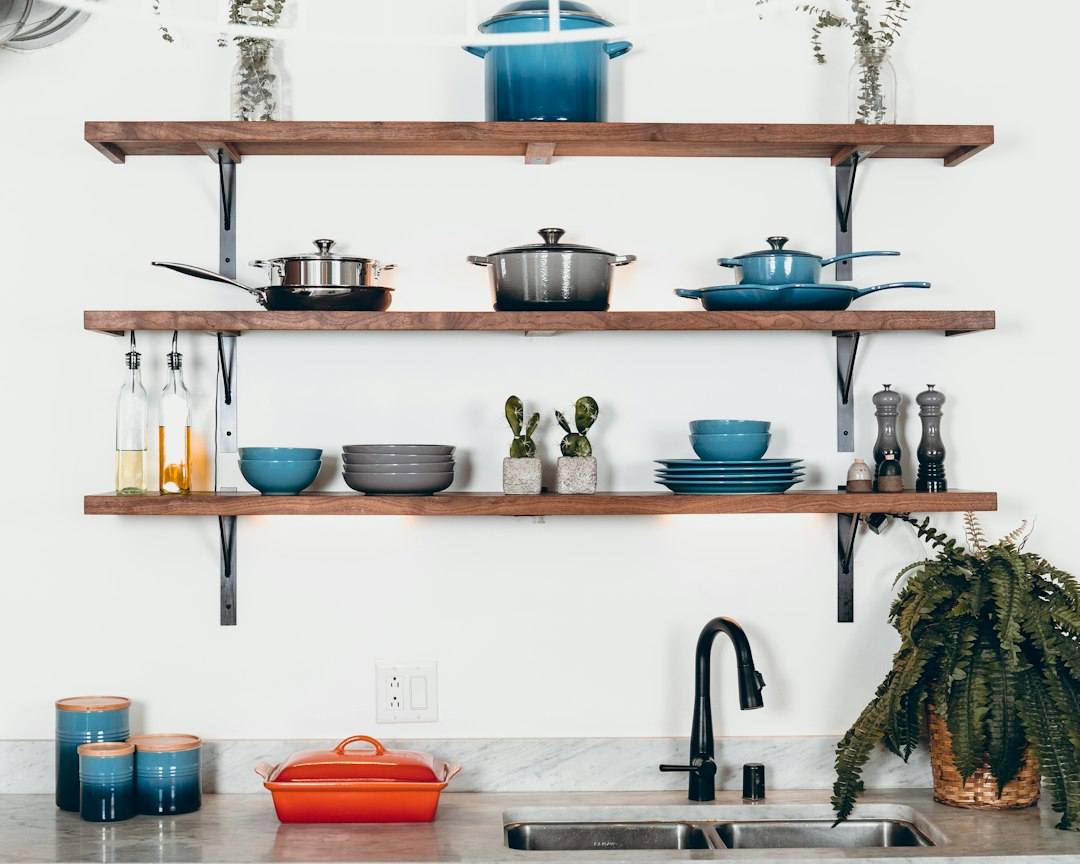
Open wall shelves or a rail system with hooks turns an empty wall into storage for mugs, pans and frequently used tools. A single shallow shelf over the sink plus a rail for hanging utensils can remove a full row of items from the counter without crowding the room.
Tip: leave the top shelf for infrequently used items and keep the lower rail level at eye/arm reach for daily use.
2. Make cabinet doors pull double duty
Mount slim racks to inside cabinet or pantry doors for spices, lids, aluminum foil and wraps, or for a paper towel holder. Door-mounted storage uses space that’s otherwise dead and keeps small items visible and accessible.
3. Choose stackable baskets and shelf risers for pantry depth
Pantries in small kitchens are often deep but poorly layered. Stackable wire or mesh baskets let you create tiers so cans, packets and snacks aren’t lost in the back. Add a couple of cheap acrylic risers to create clear sightlines for plates and cups on a single shelf.
4. Invest in a good drawer organizer system
Drawers that are a jumble of utensils and odds-and-ends force you to keep extras on the counter. A well-sized bamboo or expandable organizer separates knives, spoons, spatulas and small tools so everything has a place; deep cutlery trays are especially helpful when you’ve got deeper drawers. This is one of the easiest upgrades for immediate calm.
Product suggestion: If you want a versatile, durable option to fit most drawers, consider a bamboo drawer organizer set that offers multiple compartments for utensils and small gadgets.
5. Under-sink get-smart: pull-outs, caddies and clear zones
The space under the sink is irregular but valuable. A low-cost sliding caddy or a tiered under-sink organizer turns that awkward cavity into an easy-access cleaning hub. Keep chemicals in a shallow bin, and reserve a pull-out tray for sponges and dish soap so you don’t stack items on top of each other.
Small detail: measure the pipe and any molded sink base before buying a multi-tier organizer to avoid surprise fit issues.
6. Over-the-door and over-the-cabinet hooks for hidden extras
Over-the-door racks aren’t just for pantries—over-cabinet hooks can hold pot lids, oven mitts, hand towels, or even lightweight cutting boards. They’re a no-drill, reversible option that keeps frequently used items close without taking floor or counter space.
7. Use magnetic strips and hanging rails for metal tools
Magnetic knife strips are safer and more compact than a countertop block. The same idea works for spice tins, metal measuring cups and scissors—attach small magnetic spice tins or a rail system to a backsplash or inside a cabinet to clear another inch of counter space per tool.
8. Consolidate small appliances with a dedicated shelf or appliance garage
Small appliances can quickly dominate counters. Pick 1–2 you use daily and store the rest on a designated appliance shelf or inside an “appliance garage” (a closed cabinet or roll-top cabinet) near outlets. Rotate seasonal items—bread maker, ice cream machine—into storage elsewhere when not in use.
9. Corral lids, baking sheets and trays vertically
Lids and sheets are best stored on-edge. Install a slim vertical rack inside a cabinet or buy a freestanding organizer so lids don’t form a tangled pile. The same approach works for cutting boards and muffin tins—on-edge storage saves space and makes each item easier to grab.
10. Label and cull regularly; a little editing pays off
Fitting more into a small kitchen is possible, but only if you edit. Keep only what you use weekly on counters and in prime cabinets; move seldom-used specialty items to less accessible boxes. Use clear containers and labels for dry goods so you can see quantities at a glance and avoid duplicate purchases that take up space.
Quick planning steps to get started
Before buying anything: measure the height, width and depth of shelves and drawers you plan to use; photograph cluttered zones to spot patterns; and decide which two areas (countertop, drawer, pantry, under sink) matter most for daily function. That focus prevents buying organizers that don’t fit or aren’t used.
Related reading
For more on organizing drawers and utensils, see How to Organize Cooking Utensils Without Cluttering Your Counter. For pantry strategies, our guide 15 Simple Kitchen Organization Ideas That Actually Save Space has complementary tactics.
- Measure cabinets, drawers and pantry depth before buying organizers.
- Pick one visible storage change and one hidden storage change to implement first.
- Choose stackable or vertical solutions rather than wider horizontal options.
- Label clear containers and group like items together.
- Donate or store seldom-used appliances off-site to free prime real estate.
Small kitchen storage ideas work best when they complement each other: free counter space with rails or shelves, organize drawers with a good divider, and use door and under-sink spaces for concealed storage. A single well-measured product—like a bamboo drawer organizer—often delivers the biggest daily improvement.
What are the first two things to change in a cramped kitchen?
Clear the main countertop by relocating rarely used appliances and install a rail or shelf for everyday tools; second, add a drawer organizer so utensils stop spreading across surfaces.
Are over-the-door organizers sturdy enough for cans and jars?
Many over-the-door racks are designed for canned goods, but always check weight limits and your door thickness; for heavy loads, consider wall-mounted shelving instead.
How do I store pots and pans in a small kitchen?
Hang frequently used pans on a wall or rail, store lids vertically, and use nesting with protective separators to stack less-used cookware safely in deeper cabinets.
Can magnetic spice tins hold enough spice for regular cooking?
Yes—magnetic tins are ideal for frequently used spices and keep the countertop clear, but store backup bulk spices in labeled jars inside a pantry or cabinet.
Which storage upgrade gives the best value for money?
A properly sized drawer organizer or a set of stackable pantry baskets usually offers the fastest payback in daily convenience.