 Wishlist
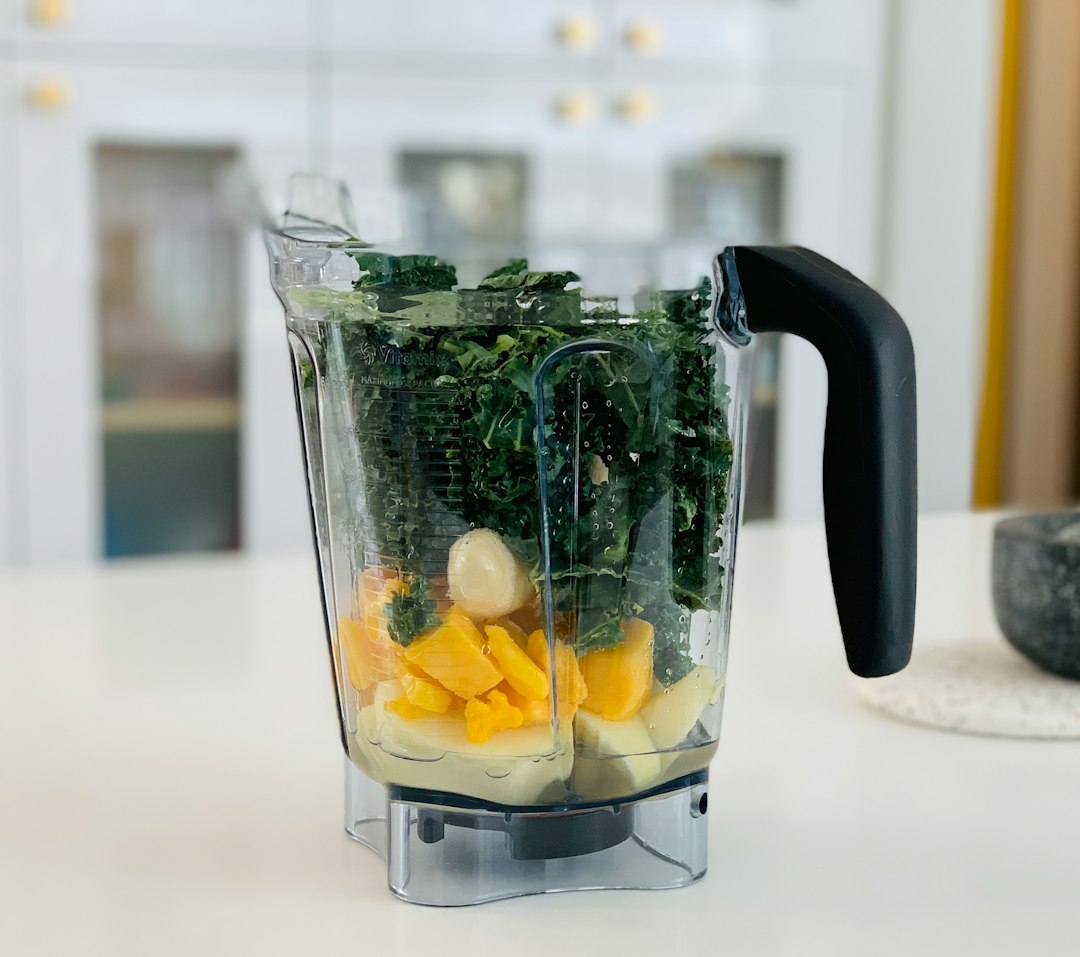
You need a new appliance after a weekend of meal prep: smoothies for breakfast, chunky salsa for tacos, pesto to freeze, and a big batch of hummus—but your tiny chopper would take forever. Should you buy a blender or a food processor?
If your dilemma is captured by that shopping list, the single best framing is this: blenders turn things into smooth liquids; food processors handle chopping, mixing and coarse-to-medium textures. Below I’ll walk through the decision criteria you should use, the real trade-offs, and which option fits specific cooks and routines.
Decision criteria that actually matter
Look at four practical questions before you buy. They determine which machine will be useful most days:
- Primary tasks: Will you mostly make smoothies/soups (liquid focus) or prep vegetables, shred cheese, make dough, and grind nuts (solid focus)?
- Texture control: Do you need silky purées or coarse chop and shredded results?
- Batch size and speed: Large batches and quick multi-step prep favor wider feed chutes and larger bowls.
- Counter and storage space: Blenders are taller and narrower; processors are wider and bulkier.
How blenders and food processors differ in everyday use
Short answer first: choose a blender if your goal is smooth drinks, thin soups, and emulsified sauces; choose a food processor if you want to chop, grate, slice, knead, or make textured dips like chunky salsa. Read the explanations below for useful exceptions.
Blender strengths and limitations
- Designed for liquid-based tasks: smoothies, milkshakes, pureed soups, sauces, and crushing ice (if motor and jar are rated for ice).
- Blade geometry and tall jar create a vortex that pulls ingredients toward the blades—excellent for smooth, even purees.
- Some high-power blenders (countertop blenders with 1000W+) can handle nut butters, hot soup via heat friction, and finer grinding—closer to a food processor for some tasks.
- Limited for precise chopping, shredding, or making dough; wide, dry chopping often produces uneven results and can overwork the motor.
Food processor strengths and limitations
- Bowl and multiple interchangeable discs/blades give control over chop size, slicing, shredding, and coarse purees (think chunky pesto or coleslaw).
- Works well for dry or semi-dry prep: chopping onions, shredding cheese, making pie dough or mixing thick batters and kneading small amounts of dough.
- Not ideal for very thin liquids or silky smoothies—liquid can simply spin around the bowl without sufficient shear to fully smooth the mixture.
- Usually bulkier on the counter and has more parts to clean and store.
Trade-offs that affect most buyers
Think in terms of capability vs. convenience.
- Versatility: Food processors cover many non-liquid tasks a blender can’t; high-power blenders can cover some processor tasks, but at higher cost and sometimes with less precision for chopping.
- Cleaning: Blenders often have a single jar and lid—easier cleanup. Processors have bowls, lids, and discs that take longer to wash and store.
- Noise and power draw: Both are loud; high-performance blenders tend to be louder when crushing ice or heating by friction.
- Cost: Basic blenders and food processors both have budget and premium tiers. If you seek both silky purees and serious prep work, a mid-range food processor plus an inexpensive blender often beats a single high-end blender on value.
Which appliance matches common cooking profiles
Below are typical home cooks and the appliance that suits them best.
- Smoothie and juice lovers: Buy a blender. Prioritize a strong motor (at least 500–700W for consistent smoothies) and a jar with a measured pour spout.
- Frequent meal preppers and bakers: Buy a food processor. Look for 7–12 cup bowls, multiple discs, and a strong drive system if you’ll knead dough or shred cheese often.
- Small kitchens and single-person households: Consider a compact blender for drinks and single-serve blending; a mini food processor can handle light chopping.
- Entertainers or large families: A large food processor (12–16 cups) speeds batch prepping; pair with a blender only if you regularly make drinks or pureed soups.
- Budget-conscious shoppers who want maximum flexibility: Choose a mid-size food processor (7–10 cups) plus a cheap personal blender or immersion blender—this combination covers nearly everything affordably.
Product recommendation for common buyer needs
If you lean toward a food processor because most home cooks need chopping and batch prep more often than long liquids, the Catalog’s top-ranked match is a reliable starting point.
This 7-cup processor suits everyday chopping, slicing, grating and small dough tasks—good for most kitchens that regularly prep vegetables, make dips, and shred cheese.
Small exceptions and complementary tools
Immersion blenders are a low-cost complement: they handle hot soups and small purées without transferring pots. A strong personal blender is useful for daily smoothies and takes minimal space. High-end blenders claim to replace processors; they do in some cases but weigh more and can be overkill if you rarely make smoothies.
Finally, consider workflow: a food processor shortens prep time across many recipes; a blender simplifies beverage and smooth soup routines. Choose the tool that solves the majority of your weekly tasks.
Next steps
Decide using the primary tasks rubric above. If still unsure, measure your counter space and list five recipes you make weekly—whichever appliance supports more of those recipes wins.
- List the five foods you make most often (smoothies, salsa, dough, etc.).
- Measure counter or cabinet space for a tall blender vs a wide processor.
- Decide if you need shredding/slicing discs or a large jar for smoothies.
- Consider pairing a compact blender/immersion blender with a mid-size food processor for coverage.
- Check replacement part availability (discs, blades, jars) for whichever model you choose.
If you mostly make liquid-based recipes, buy a blender; if you do vegetable prep, dough, shredding or batch chopping, buy a food processor. For mixed needs, a mid-size food processor plus a small blender or immersion blender is the most practical combination.
Can a blender replace a food processor?
A high-power blender can handle some processor tasks (like purees and nut butters) but usually won’t match a processor’s consistency for chopping, slicing and kneading dough.
Which is better for smoothies?
A blender is better—its jar and blade design create a vortex that produces smooth, lump-free drinks.
Do food processors handle liquids well?
They can process dips and thick sauces, but thin liquids may not circulate properly and can produce uneven textures.
Is cleaning one easier than the other?
Blenders typically have fewer parts and are faster to clean; food processors have multiple discs and parts that require more washing and storage space.
What capacity should I choose?
Pick a bowl size that matches your typical batch: 7–8 cups for small families and meal prep, 10–16 cups for large batches and entertaining.