 Wishlist

Start with one honest observation about how kitchens get messy
A kitchen doesn’t become a mess all at once; it’s the small leftovers—crumbs, a damp sponge, a mug left overnight—that compound. A practical kitchen cleaning routine prevents that build-up with a few short daily habits and one weekly session that tackles tasks worth batching. Below is a realistic flow you can follow each day and each week, with notes on where you can simplify instead of adding chores.
Daily: 10–15 minutes to keep problems from growing
Do these actions at consistent anchor points: after breakfast, after dinner, or whenever you finish cooking. Together they usually take 10–15 minutes.
- Clear and rinse dishes immediately: Load the dishwasher or wash the pots and pans. Leaving food on dishes is the single fastest way to attract pests and create odors.
- Wipe high-traffic surfaces: Counters, prep area and the table should get a quick wipe with a microfiber cloth and a multipurpose cleaner or soapy water. This prevents sticky build-up and cuts down on grease that needs stronger cleaners later.
- Deal with spills on the cooktop right away: Wipe splatters while still warm (not hot) using a damp cloth; hardened spills require scraping and stronger cleaners.
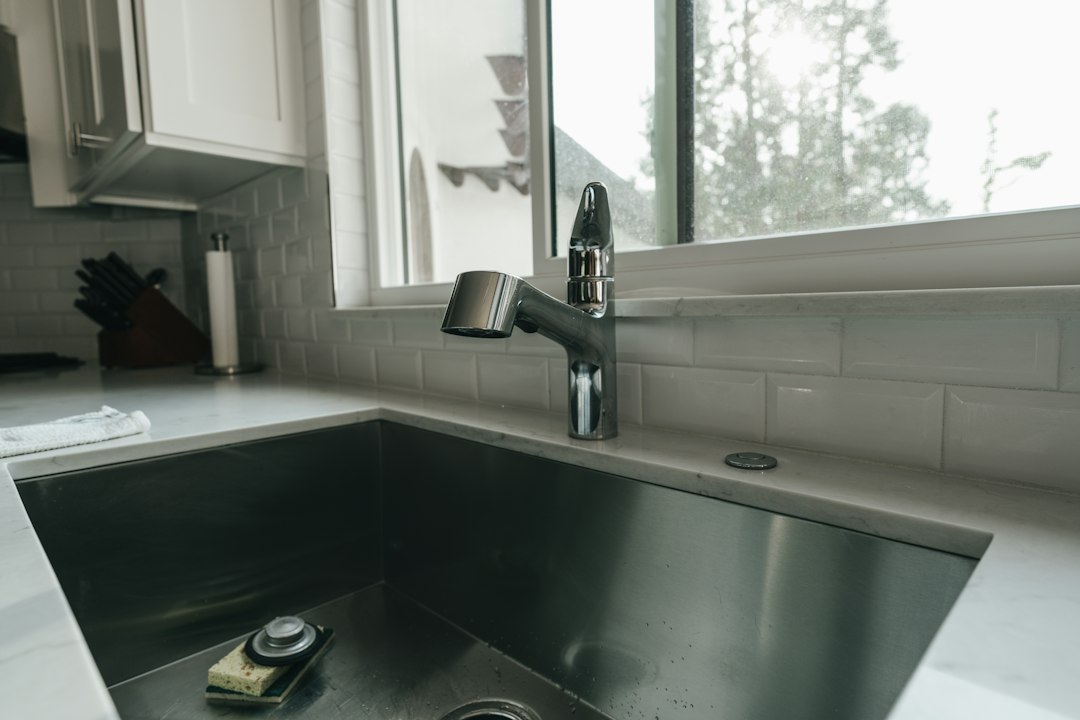
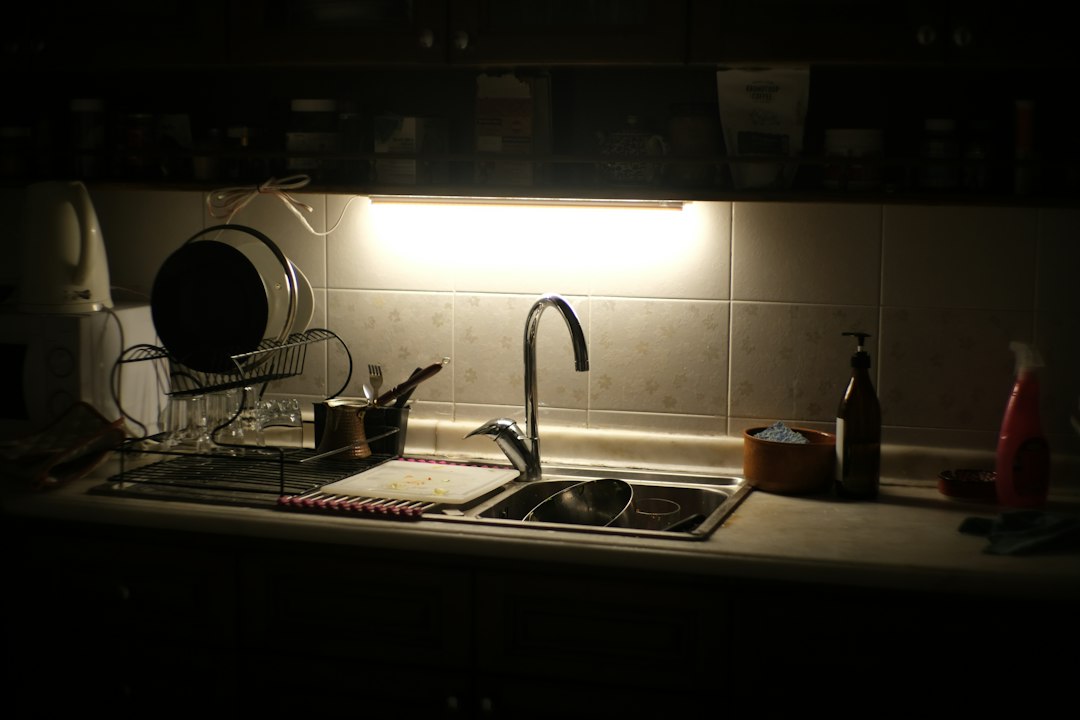
- Empty and check the sink: Rinse the sink and run/clean the strainer. Keep a drying rack or mat tidy—standing water is a bacterial hotspot.
- Take out perishable trash if needed: If food scraps are generating smell or it’s compost day, remove them to prevent odors and fruit flies.
Why these daily habits earn their place
These five items stop damage at the source: stained countertops, hardened stove messes, clogged drains and odors. They’re also quick, so they’re the easiest to keep consistent. If you want to simplify further, combine tasks—wipe counters while the dishwasher runs and empty the sink strainer as part of loading dishes.
Weekly: one focused 30–60 minute session for deeper tasks
Pick a weekend morning or an evening block and do the following in one continuous session. Batching saves time because you’re already geared up with supplies.
- Fridge sweep: Toss expired items, wipe any sticky spills on shelves, and check for leftovers that can be frozen or discarded.
- Appliance wipe-downs: Clean the microwave interior (steam with a bowl of water then wipe), wipe the outside of the fridge, and run a quick degrease on the oven door and stovetop.
- Sink and garbage disposal maintenance: Scrub the sink with a nonabrasive cleaner and flush the disposal with ice and citrus or a disposal cleaner to remove odors.
- Cabinet fronts and handles: Wipe knobs and pulls—these are high-touch zones that harbor grease and germs.
- Floors: Sweep and spot-mop beneath the counters, near the trash and under the table. If you have a sticky area, target it now.
- Restock supplies and linen: Replace cloths, sponges and dish towels; note missing cleaners or trash bags so you don’t run out midweek.
Where to simplify the weekly list
If 60 minutes is too much, split tasks: do fridge and sink one week, cabinet fronts and floors the next. Or keep a minimal weekly cycle (fridge, sink, floor) and rotate the other tasks monthly.
Tools and products worth keeping on hand
For a routine that’s easy to stick with, have just a few reliable supplies: an all-purpose cleaner, a degreaser for the stove, a nonabrasive scrub, a dedicated microfiber cloth set and trash liners sized to your bin.
Practical recommendation: a small set of durable microfiber cloths can handle most wiping tasks and last longer than paper towels. They’re economical, washable and lint-free.
Small timing tricks that keep the routine realistic
- Attach actions to daily anchors: Do the quick wipe and rinse immediately after the last meal so it becomes part of the routine, not a separate chore.
- Use a 5-minute timer: Time-limited bursts make it easier to start and you often finish faster than you expect.
- Delegate by task not time: Ask family members to take dishwasher loading or trash duty—specific assignments make follow-through more likely.
Handling common problem zones
Stovetop grease: prevent long-term buildup by using a degreaser weekly; for heavy spills, apply degreaser, let sit 5–10 minutes, then wipe. Cutting boards: sanitize wooden boards with coarse salt and lemon once a week; replace deeply scored boards. Trash and recycling: rinse recyclable food containers before they go into the bin—this cuts flies and reduces odor.
When to call a deeper clean
If you notice persistent odors, mold in hidden spots, or pest activity, those are signs you need a deeper, targeted clean beyond the weekly session—clean under appliances, inspect seals on the fridge and deep-clean vents. Otherwise, the daily + weekly approach prevents most issues.
- Daily: rinse dishes and wipe counters after meals
- Daily: clear sink strainer and take out food trash when needed
- Weekly: clean fridge shelves and toss expired items
- Weekly: wipe appliance exteriors and degrease stovetop
- Weekly: sweep and spot-mop floors under high-use areas
A compact kitchen cleaning routine—5 quick daily actions plus one focused weekly session—prevents mess from becoming work. Keep a small, consistent set of tools and attach tasks to daily anchors to make it stick.
How often should I sanitize kitchen surfaces?
Daily high-touch wipe-downs are sufficient for most homes; add a disinfecting wipe after preparing raw meat or if someone is ill.
Can I use the same cloth for counters and dishes?
Prefer separate cloths: one for dishes and one for counters to reduce cross-contamination, and launder them regularly.
What’s the easiest way to keep the sink smelling fresh?
Rinse daily, remove food debris, and run the disposal with ice and a citrus peel or a disposal cleaner weekly.
Which cleaning task should I never skip?
Rinsing plates/pots promptly—leftover food is the biggest driver of odors, pests and extra work later.
How do I fit cleaning into a busy week?
Attach short tasks to existing habits (after dinner), use a 5-minute timer for momentum, and batch one or two deeper tasks into a weekend window.