 Wishlist

Start with the result you want: a kitchen that’s faster to use, easier to clean and simpler to maintain
Making your kitchen easier to use, clean and organize means two things: reduce friction during the tasks you do most (prep, cook, clean), and cut the weekly work needed to keep surfaces tidy. Below is a practical sequence you can follow in one weekend plus a few small purchases that pay back every day.
Map workflow zones so every item has a purposeful home
First, draw a quick map of your kitchen on paper: food storage (fridge, pantry), prep (counter, cutting board), cooking (range, microwave), plating/serving, and cleaning (sink, dishwasher, trash). The goal is to keep the tools and supplies you need for each zone inside or adjacent to that zone.
- Place knives, cutting boards and frequently used bowls near the prep area. Keep spatulas and tongs next to the stove.
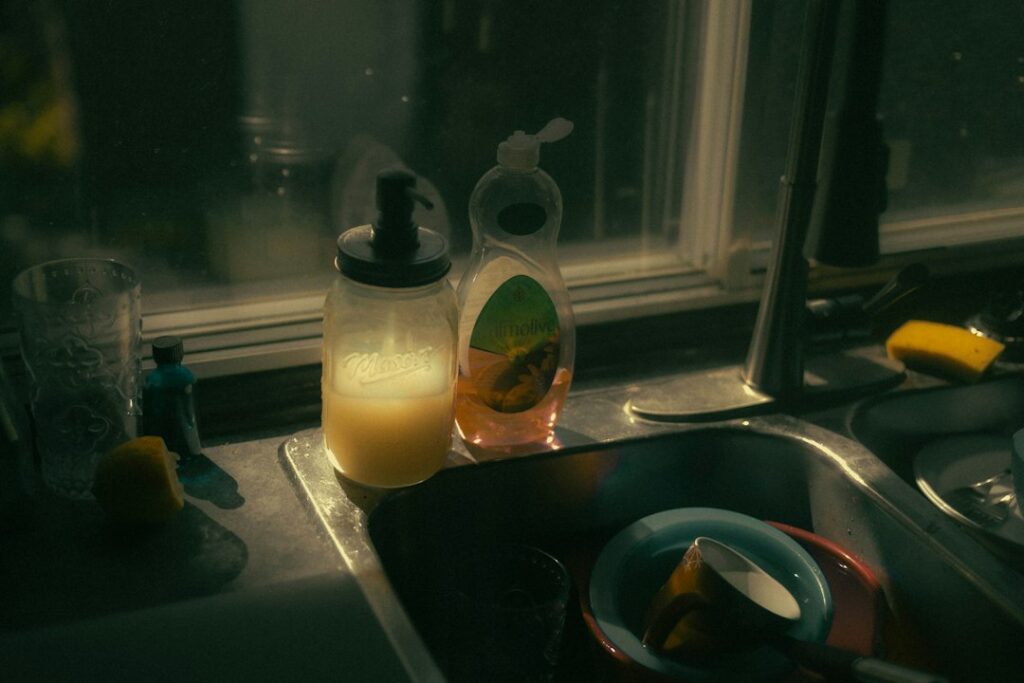
- Store dish soap, sponges and a drying rack beside the sink; trash and recycling should be reachable from both prep and cooking zones.
- Group similar pantry items (baking, breakfast, canned goods) on contiguous shelves so you can see inventory at a glance.
Clear and decide: quick declutter that improves daily flow
Empty one drawer or cabinet at a time. Pull everything out, wipe the interior and decide: keep, relocate, donate, recycle. Ask whether each item is used at least once a month. If not, move it to a less accessible spot or let it go.
Small decisions you can make on the spot:
- Discard chipped dishes and single mismatched lids.
- Relocate small appliances you use infrequently (e.g., ice cream maker) to a closet.
- Consolidate duplicates—two rarely-used peelers become one.
Right-size storage with inserts and vertical thinking
Deep drawers and tall cabinets need dividers to be useful. A set of bamboo drawer organizers or an expandable tray turns a jumbled cutlery drawer into an orderly tool station. For under-sink clutter, a tiered under-sink organizer gives you visibility and keeps cleaning bottles upright.
Where to apply these: use the drawer organizer for utensils, expandables for baking sheets, and the under-sink organizer for sprays, sponges and a garbage-bag supply.
Keep counters clear: limit the “always-on” items to three
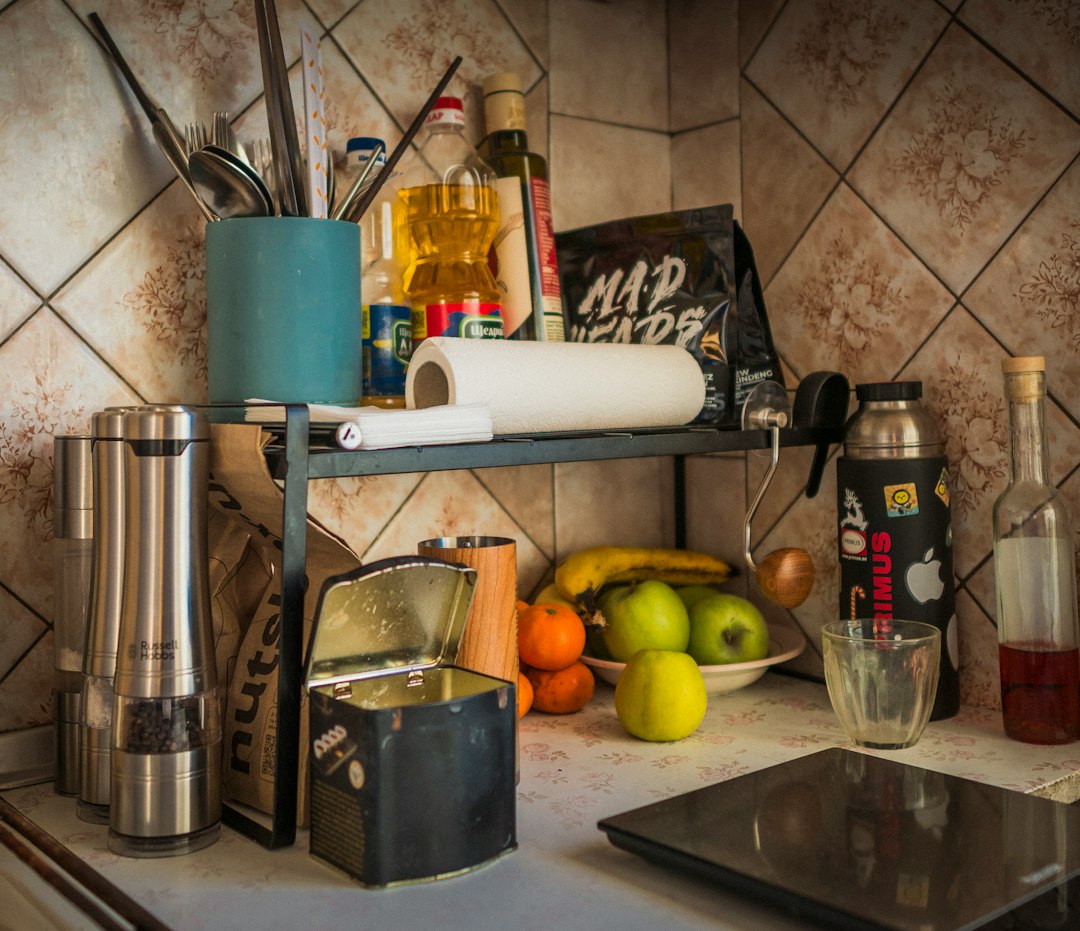
A crowded counter slows prep and increases cleaning. Choose up to three items to stay out—commonly a coffee maker, knife block and drying rack. Everything else should live in a cabinet or be kept on a designated cart that can be moved when you need space.
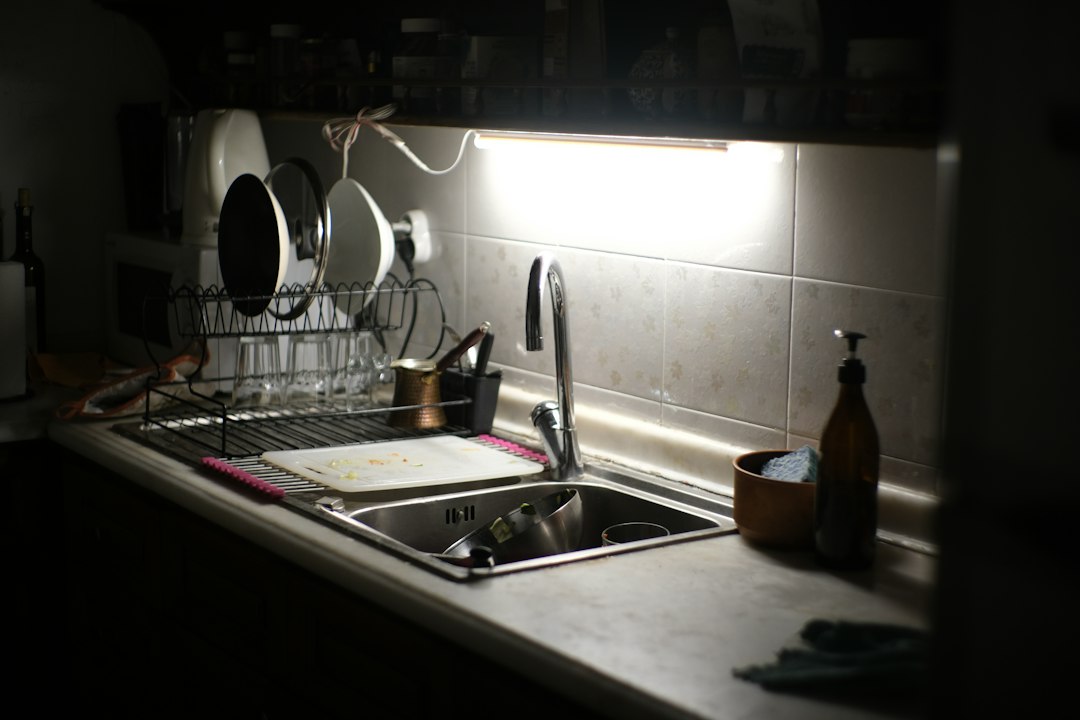
For small kitchens, an over-the-sink drying rack saves counter space and shortens the cleanup path from sink to rack. If you wash dishes by hand, a tidy drying station makes rinsing and air-drying faster and less messy.
Adopt simple cleaning habits that prevent buildup
Daily: keep a micro-routine—wipe the counters after dinner, load the dishwasher or hand-rinse as you cook, and clear crumbs from the stove. Weekly: tackle wiping cabinet faces, sweeping and mopping the floor, and emptying pantry trash. These small regular actions prevent the long, unpleasant deep-clean days.
Labeling, containers and sight-lines for a usable pantry
Use clear, uniform containers for frequently used staples (flour, sugar, rice) and label them on the front. For shelves, keep heavier items low and items you grab daily at eye level. Use a door-mounted spice rack or an over-the-door pantry rack to free shelf space and make spices visible while you cook.
Organize by frequency not by aesthetic alone
Place items by how often you reach for them. Everyday plates and glasses at shoulder height; seasonal bakeware on a top shelf. This reduces repeated bending or climbing and speeds up meals.
Small product choices that reduce effort
Choose a compact dish rack that fits your sink area, a slim trash can with a step pedal near the prep zone, and a sturdy, deep drawer organizer for utensils and lids. For many kitchens, a two-tier dish rack and a bamboo organizer are the highest-impact buys for everyday ease and tidiness.
Troubleshooting common obstacles
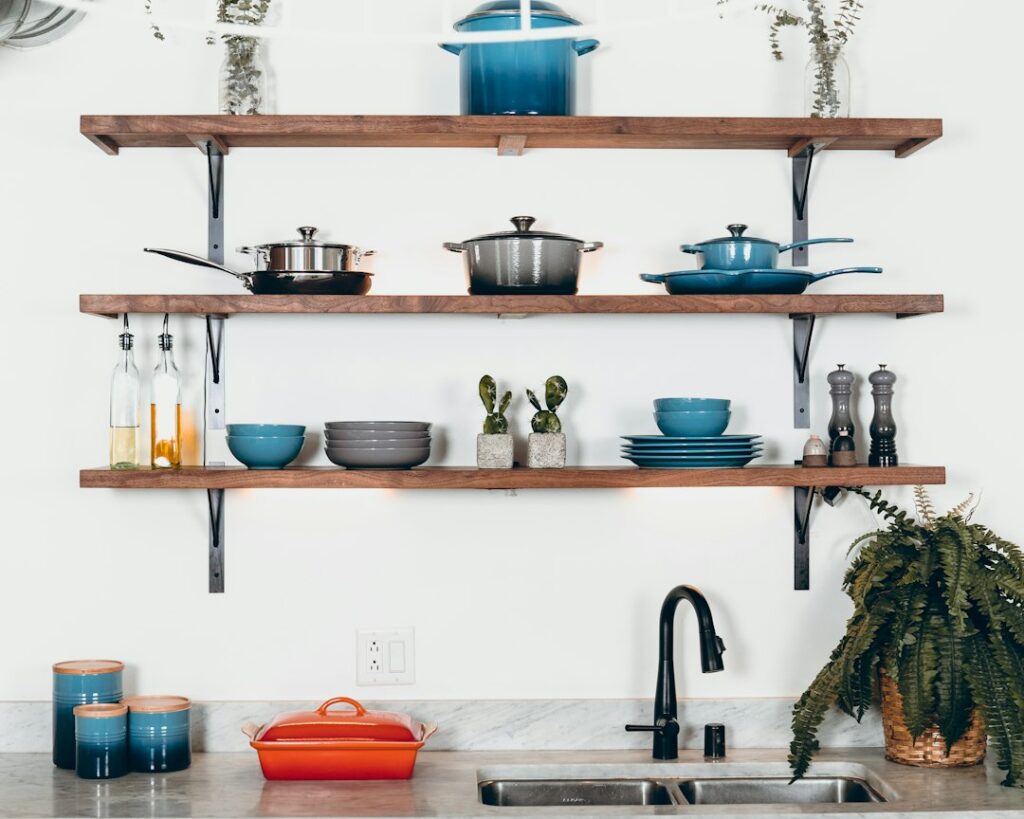
- Small footprint kitchen: go vertical—wall shelves, magnetic knife strips and hanging pot rails free counters.
- Shared kitchen with multiple cooks: label zones and assign a spot for communal items; a caddy for shared utensils is useful.
- Limited cabinet depth: use pull-out baskets and lazy Susans so nothing gets lost at the back.
Set a maintenance plan you’ll actually follow
Pick two simple recurring tasks: a 10-minute nightly reset (dishes, wipe counters, put away leftovers) and a 30–45 minute weekly refresh (sweep, fridge check, pantry tidy). Put them on a weekend checklist and treat them like appointments rather than optional chores.
- Map the five workflow zones and note misplaced items.
- Empty one cabinet/drawer, sort items and wipe interiors.
- Install or place one drawer organizer and an under-sink shelf.
- Choose three countertop items to stay out; store the rest.
- Set two recurring cleaning tasks: nightly 10-minute reset and weekly refresh.
Focus on flow: keep daily tools within reach of their task zones, clear countertops, and add a few well-chosen organizers. Regular tiny habits—wiping, loading dishes, and a weekly tidy—are what turn one-time fixes into a kitchen that stays easy to use and clean.
How do I choose which countertop appliances to keep out?
Keep only what you use daily or several times a week; everything else goes to a cabinet or a mobile cart. If space is tight, rotate seasonal appliances to storage.
Will drawer organizers fit my deep drawers?
Choose expandable or customizable organizers made for deep drawers; measure depth and width first and allow space for sliding motions.
What’s the easiest way to keep the sink area tidy?
Use an over-the-sink or compact counter drying rack, keep soap and scrubber in a small tray, and empty the rack daily to avoid pileups.
How often should I rotate pantry items?
Do a quick inventory and toss expired goods every month; perform a full pantry refresh every three months to reorganize by frequency of use.
Can small changes really save time in cooking?
Yes—organizing by workflow and keeping essential tools at hand reduces steps and decision friction, shaving minutes off many tasks and making cooking less tiring.