 Wishlist
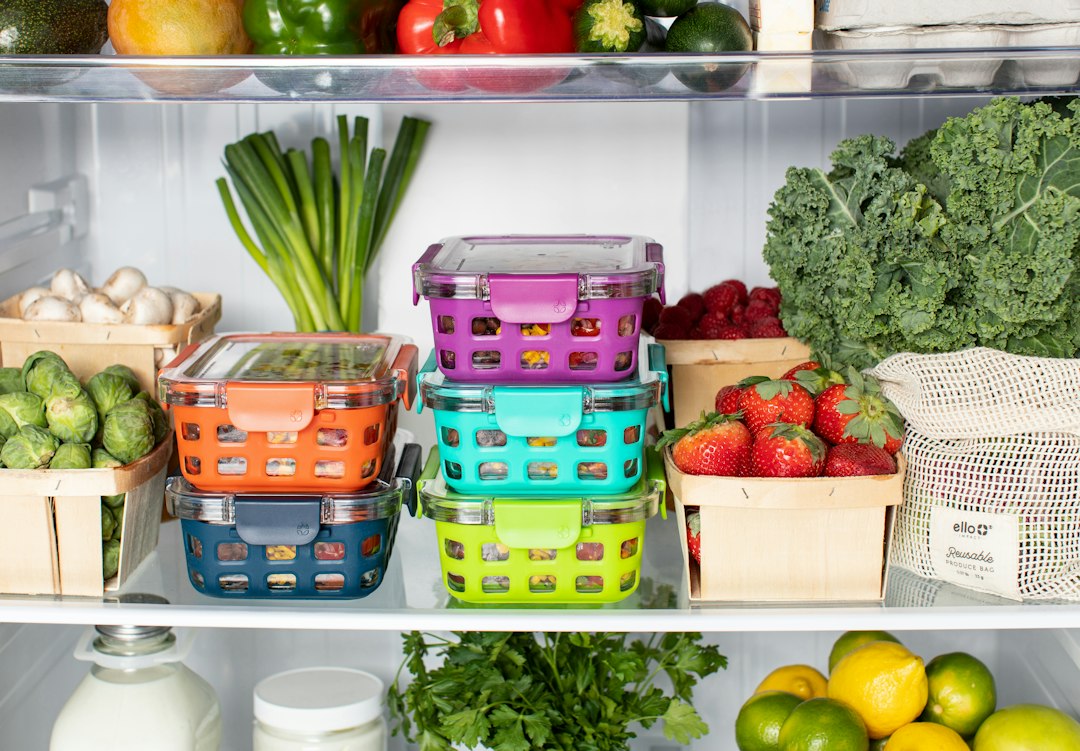
End result: a fridge where you can see what you have and eat it before it spoils
Organize refrigerator so items are visible, stored where temperature and humidity suit them, and rotated by use-by date. The payoff: fewer forgotten leftovers, longer-lasting produce, and a clearer morning decision about what to cook.
Set up fridge zones by temperature and use
Not all shelves are equal. Place raw meat on the lowest shelf to avoid drips and because it needs the coldest spot. Reserve the middle shelves for ready-to-eat foods (dairy, leftovers, prepared meals). Use the top shelf for drinks, yogurts and items you reach for often. The door is the warmest area—keep condiments and drinks there, not milk or eggs if you want maximum longevity.
Quick zone checklist
- Bottom shelf: raw proteins in sealed containers or trays.
- Middle shelves: leftovers, dairy, packaged ready-to-eat foods.
- Top shelf: drinks, opened jars, items used daily.
- Door: condiments, juice, butter (if you use it quickly), not sensitive perishables.
- Crisper drawers: separate one for fruit and one for vegetables by humidity setting.
Choose storage that encourages use and visibility
Opaque bags and deep piles hide food. Clear, stackable bins and uniform containers make it obvious what you have. Use small bins for snack-size items and a larger bin for yogurt or cheese; this prevents small packages from getting lost at the back. Stackable refrigerator organizer bins (clear) are especially useful for grouping items and can be removed for cleaning or meal prep.
Tip: keep similarly used items together—breakfast foods in one bin, salad toppings in another—to speed meal decisions and reduce duplicate buys.
Use first-in, first-out (FIFO) and simple labeling
When you shop or meal-prep, put newly purchased or cooked food behind older items so older things are used first. Label leftovers and opened packages with the date and a two- to three-day suggested eat-by for cooked food; write directly on masking tape or use inexpensive waterproof labels. For produce, note when you bought tender items like herbs or berries so you can prioritize them.
Adjust humidity settings and packaging by item
Most fridges have two crisper settings: high humidity for leafy greens and many vegetables; low humidity for fruit that rots easily in moist air (apples, pears). Store herbs wrapped loosely in a damp paper towel inside a breathable container or jar with a little water for stems; this keeps them usable longer. Keep mushrooms in a paper bag rather than plastic to avoid sliming, and avoid washing produce until ready to eat unless you plan to store it dry in a sealed container.
Portion, prep and store to reduce waste
Small changes in how you store prepared food change whether it gets eaten. Split large batches of cooked grains, soups and sauces into single-meal portions and use clear, microwave-safe containers so reheating is easy. For items like berries, line a shallow container with paper towel to absorb moisture and keep them visible on a middle shelf where you'll spot them.
Make the most of visual cues and routines
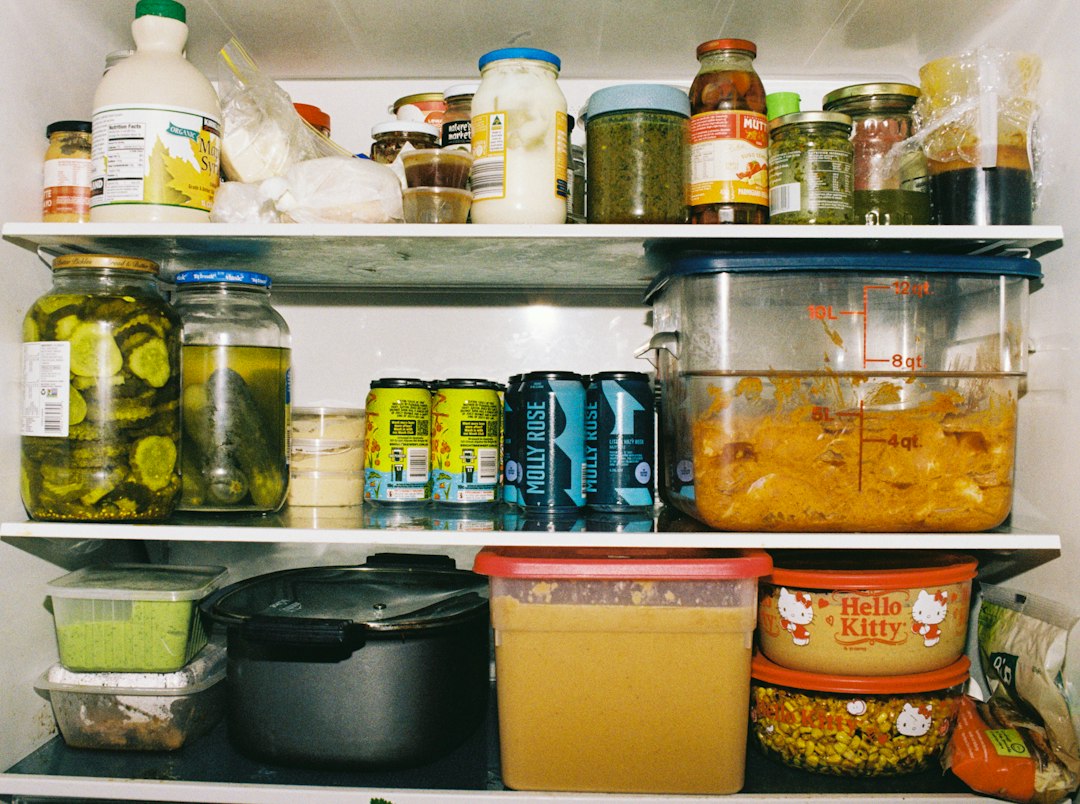
Keep a “use soon” shelf near eye level for items expiring in the next two days. Empty one small shelf or the top of the fridge interior to serve as this temporary inbox—move identified items there during your weekly check. Adopt one quick weekly routine: scan the fridge before grocery shopping and commit to eating three “use soon” items in the coming week.
Troubleshooting common fridge problems
Food keeps spoiling too fast
Check your temperature (ideal refrigerator temperature is 35–38°F/1.7–3.3°C). If the fridge cycles too warm, move sensitive items away from the door and into the main shelves; avoid overpacking so cold air can circulate.
Produce wilts even in the crisper
Try resealing leafy greens in breathable containers with a dry paper towel to absorb moisture, and avoid stacking heavy items on delicate leaves. If one drawer is cooling oddly, swap produce between drawers to find the better spot.
Leftovers disappear or get ignored
If you routinely forget leftovers, use transparent single-serving containers and place them on the “use soon” shelf. Freeze portions you won’t eat within three days and label with contents and date.
Adaptations for small or shared refrigerators
In small fridges, prioritize visibility: use one clear bin for meal-prep items and another for fresh produce. For shared households, create a labeled shelf or bin for each person’s leftovers and a communal “eat soon” bin to prevent passive food hoarding. Agree on a simple labeling rule—initials plus date—so food ownership is clear.
Simple maintenance to keep the system working
Once a week, do a 3–5 minute fridge sweep: toss spoiled items, consolidate half-used containers, and wipe any spills. Monthly, remove shelves and clean them; this is also a good time to re-evaluate which containers and bins are working or getting in the way.
- Designate fridge zones for raw proteins, ready-to-eat items, drinks, and crispers.
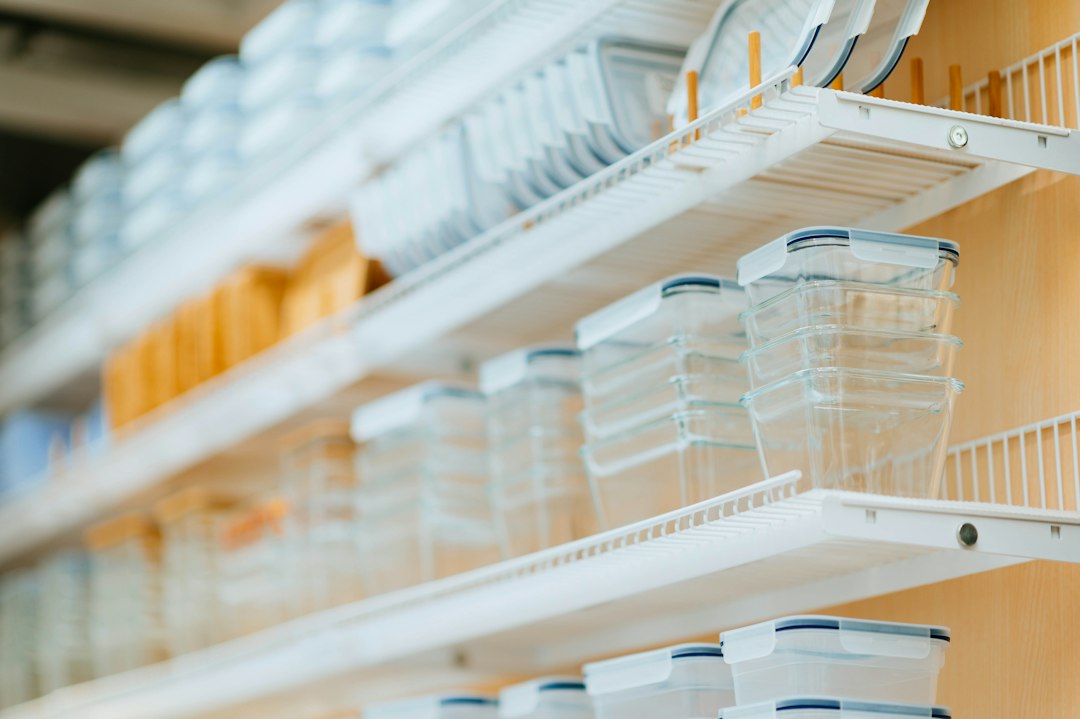
- Use clear, stackable bins to group similar foods and keep small items visible.
- Label leftovers with date and suggested eat-by; practice FIFO placement.
- Set crisper humidity appropriately and store herbs and mushrooms with correct packaging.
- Create a visible “use soon” shelf and scan it before shopping.
- Do a weekly 3–5 minute sweep and monthly deep clean.
Organizing your refrigerator to reduce food waste is less about one perfect gadget and more about a few durable habits: clear grouping, correct placement by temperature, date-labeling, and a weekly scan. With those in place, food stays visible and gets eaten before it spoils.
How cold should my refrigerator be to keep food fresh?
Set the fridge between 35–38°F (1.7–3.3°C). This range keeps perishable food safe without freezing items like lettuce.
Can I store eggs in the door?
Eggs last longer on a stable-temperature shelf inside the fridge rather than the door; use the interior for maximum lifespan.
How long can cooked leftovers stay in the fridge?
Most cooked leftovers are best eaten within 3–4 days; label with the date and freeze any you won’t use in that window.
Are clear bins necessary to reduce waste?
They aren’t strictly necessary, but clear bins improve visibility and make it far more likely you’ll use food before it spoils.
How should I store berries to last longer?
Keep berries unwashed in a shallow container lined with paper towel and refrigerate; wash only before eating to reduce mold and sogginess.