 Wishlist
What matters (and what you can safely ignore)
Not every storage tip moves the needle. Focus on preventing moisture, oxygen and temperature swings—those three shorten shelf life most. Ignore myths that demand exotic gadgets; small changes (airtight containers, correct fridge zones, and sensible portioning) often save more food and money than a countertop appliance.
1. Sort by humidity and use the right drawer for produce
Fruits and vegetables have different humidity needs: leafy greens prefer high humidity, while apples, tomatoes and winter squash last longer in low-humidity settings. Use your fridge’s crispers accordingly. If you only have one drawer, wrap delicate greens in a slightly damp towel inside a perforated bag—this keeps them crisp without trapping too much moisture.
2. Create temperature zones inside the fridge
Temperature varies across shelves. The coldest spots are usually the back of lower shelves; the door is warmest. Store milk and deli meats on a middle shelf, eggs in their carton on a middle shelf (not the door), and condiments in the door. Keep raw meat on a bottom shelf or in a designated drawer to avoid drips.
3. Use airtight containers and label them
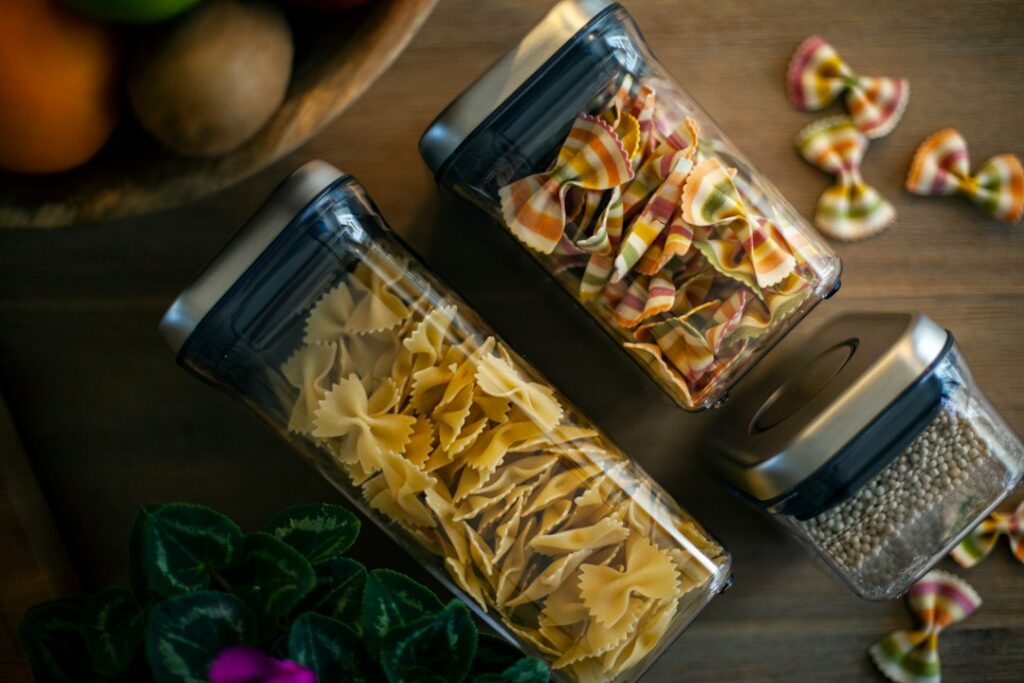
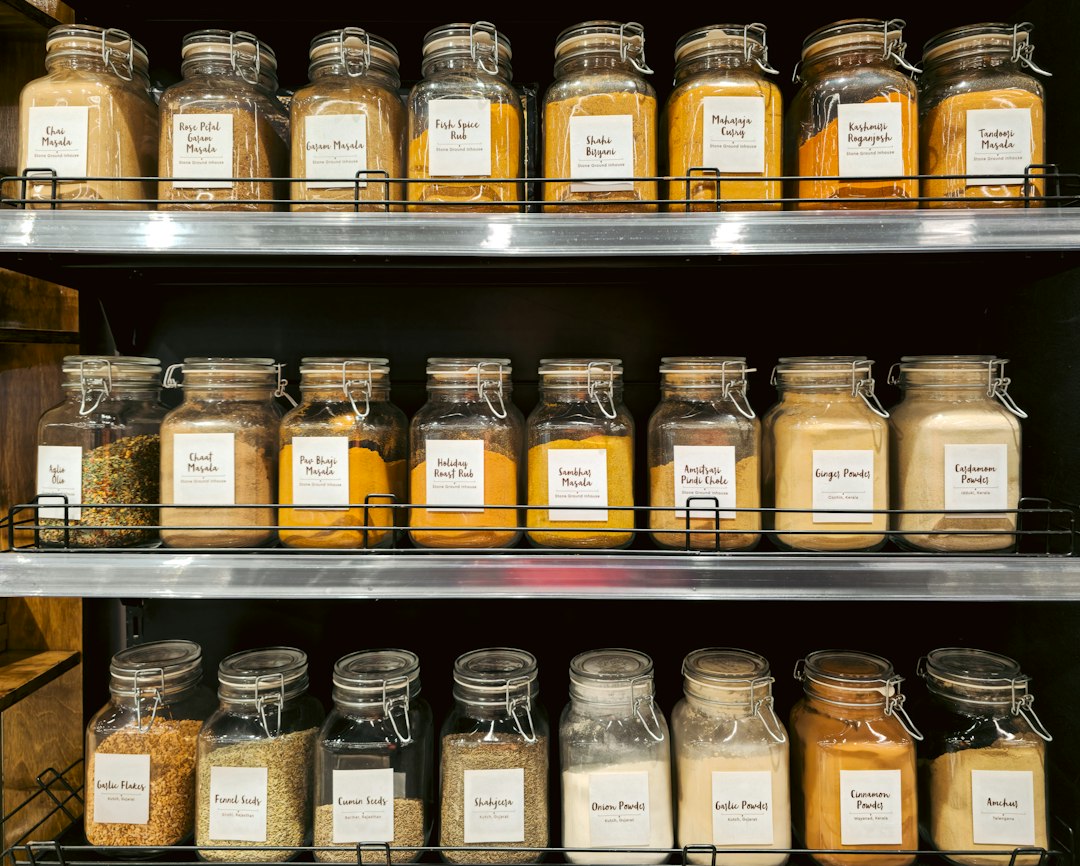
Airtight glass or BPA-free plastic containers slow oxidation and fridge odors. For dry goods in the pantry, airtight jars keep pests out. Label items with content and date—use a simple masking-tape system or a grease pencil. When you can see contents, you’re more likely to use them before they spoil.
4. Portion and freeze meal-sized batches
Cooked grains, soups and sauces freeze best in pre-portioned containers or reusable freezer bags so you don’t defrost more than you need. Leave a little headspace in rigid containers; lay zipper freezer bags flat to chill quickly and stack easily.

5. Keep bread out of the fridge—use a bread box or freeze loaves
Refrigeration dries bread fast; a bread box keeps humidity balanced for a few days. For longer storage, slice and freeze loaves; toast or thaw slices directly. If you want a ready countertop solution, a compact bread box reduces clutter and preserves texture.
6. Store bulk dry goods smartly
Transfer flour, sugar, rice and oats into airtight containers with a tight seal. For flours, consider refrigeration or freezing (in airtight containers) if you don’t use them often—this prevents insect eggs from hatching and slows rancidity in whole-grain flours. Use clear containers so you can see volume at a glance.
7. Keep ethylene-producing and -sensitive items separate
Apples, bananas and tomatoes emit ethylene gas, which speeds ripening. Store ethylene producers away from sensitive items like leafy greens, broccoli and carrots. If you buy a lot of fruit, use a single bowl on the counter for ripening fruit, then move to the fridge when desired ripeness is reached.
8. Reduce moisture for herbs and greens
Fresh herbs like cilantro and parsley keep longer standing upright in a jar with an inch of water, covered loosely with a plastic bag in the fridge. Spin-dry lettuce and store it wrapped in paper towels inside a sealed container to remove excess moisture that causes sliminess.
9. Use clear, stackable bins to group pantry items
Group like items—baking, snacks, canned goods—in stackable bins so the oldest items sit in front. Bins make it easier to pull an entire category out to see quantities; that reduces duplicate purchases and allows you to rotate stock.

10. Practice first-in, first-out (FIFO) habitually
When restocking, put new items behind older ones. This simple rotation prevents forgotten packages from lingering at the back of shelves. For pantry staples in large bags, place open bags in labeled containers and move the container forward.
11. Use desiccants and breathable packaging where appropriate
For crackers, cereal and some seeds, a small food-safe desiccant or a folded paper towel inside the container absorbs moisture. For produce that benefits from airflow (mushrooms, whole onions, potatoes), keep them in breathable containers or mesh bags rather than sealed plastic.
12. Trim, prep and store for quick use
Half your food waste comes from produce that isn’t used. Trim and store carrot sticks, pepper strips and washed berries in ready-to-eat containers so you reach for them first. Prepped, packaged components make weekday cooking faster and reduce impulse takeout.
- Move new pantry purchases into clear, airtight containers.
- Assign fridge shelves for dairy, deli, and produce; label if needed.
- Portion and freeze one batch-cooked meal for quick reheating.
- Put ethylene-producing fruit in a single ripening bowl, then refrigerate at peak ripeness.
- Scoop loose flours into sealed bins and date them.
Concentrate on controlling moisture, oxygen and temperature. Small tools—airtight jars, a bread box and stackable bins—combined with habits like FIFO and portioning will keep ingredients fresh longer and reduce waste.
Can I keep bread in the refrigerator to make it last longer?
Refrigeration actually dries bread and makes it stale faster. Use a bread box for short-term storage and freeze loaves or slices for longer-term keeping.
How long can cooked food stay in the fridge before freezing?
Cooked food should be refrigerated within two hours and used within 3–4 days, or frozen if you won’t eat it within that window.
Are glass containers better than plastic for storage?
Glass is non-porous, won’t retain odors and handles heat better, making it preferable for long-term fridge and freezer storage; choose sturdy plastic for lightweight transport.
How do I stop pantry insects without wasting food?
Freeze new dry goods for 48–72 hours before storing, transfer them to sealed containers, and check older packages regularly; freezing kills eggs without chemicals.
When should I use reusable freezer bags versus rigid containers?
Use reusable freezer bags for flat, stackable storage of portions or liquids; rigid containers are better for soups and foods that need headspace to avoid crushing.