 Wishlist
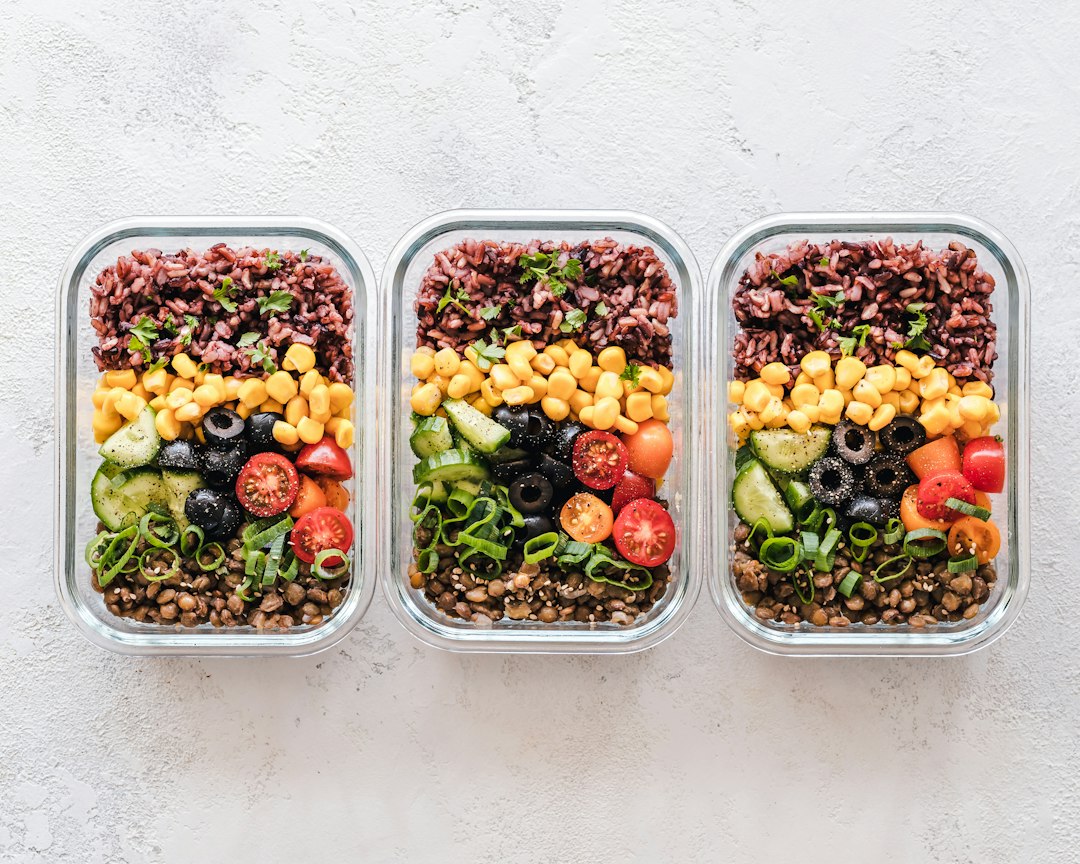
When 6:30 a.m. hits and you haven’t decided dinner, the takeout app looks tempting. Now imagine opening the fridge and seeing three packed dinners, two lunches, and a mason jar breakfast—each labeled and ready. Meal prep organization is the bridge between that stressful morning and a smooth weekday.
These practical tips help you get to that organized fridge without making prep day a full-time job. The focus is simple: plan a small, repeatable system; choose containers and storage that match your routine; and apply quick habits that save minutes every day.
Start with a compact weekly menu
Make prep manageable by limiting variety. Pick two proteins, three sides, and two bases for the week (for example: chicken + chickpeas; roasted vegetables, salad greens, and rice; tortillas and quinoa). Rotating components recombine into multiple meals without multiplying steps.
- Plan for three evening meals and two lunches, or four dinners if you prefer leftovers—less is more.
- Use one sheet-pan or one slow-cooker night to prepare multiple portions at once.
- Keep breakfasts simple: overnight oats, yogurt jars, or egg muffins that reheat easily.
Create a prep-day workflow
Batch similar tasks so you aren’t switching tools and settings constantly. A typical 60–90 minute workflow: chop vegetables (20–25 min), cook grains/roast proteins (30–40 min), assemble and portion (20 min), label and store (5 min).
Lay out zones on your counter: a washing/cutting zone, a hot-cooking zone, and an assembly zone with containers and labels. This reduces back-and-forth and keeps counters clean.
Match containers to how you eat
Choosing the right containers stops refilling, reheating, and repacking from becoming daily friction. If you pack salads that are eaten cold, use shallow, wide containers; for soups and stews, pick leak-proof, round containers with tight lids.
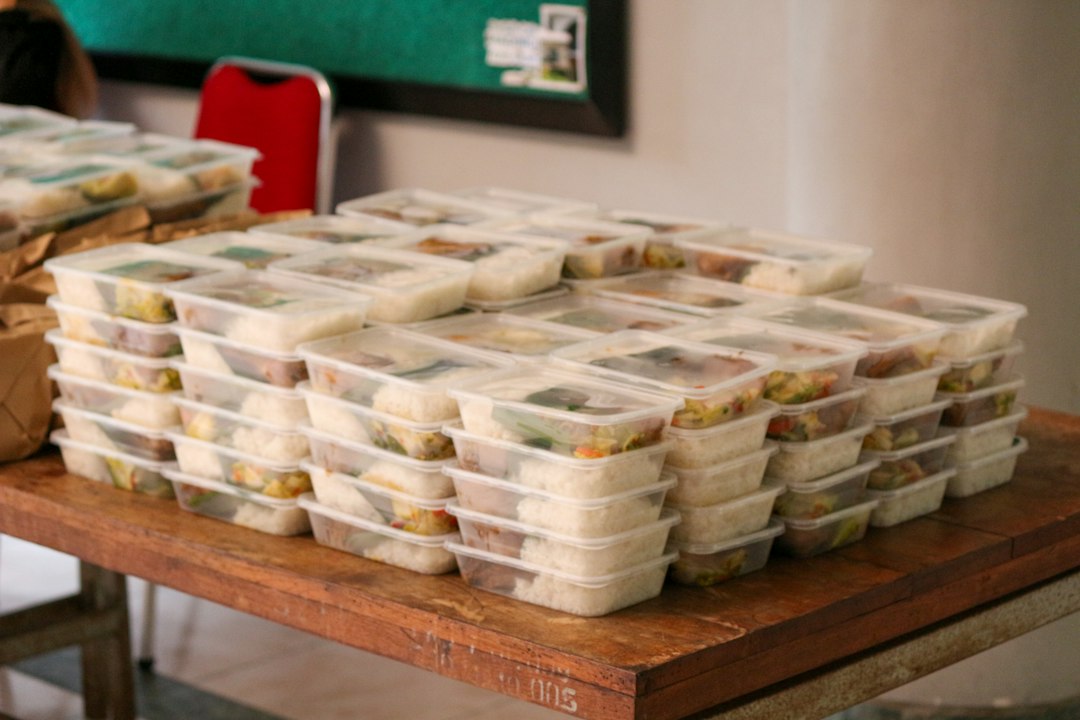
For most people, 2–3 sizes cover the week: a 24–32 oz meal bowl for dinners, 16 oz for lunches, and small jars for snacks/condiments. If you want a ready-to-buy option that fits this pattern, consider a basic, reliable meal prep set that includes lids and dishwasher-safe construction.
This type of set works when you want single-compartment bowls that stack and travel well—ideal for grab-and-go breakfasts and weekday dinners.
Label strategically and simply
Labels save guessing. Use a permanent organizer system: date + contents + reheating notes. Write compactly—"Wed: Chili, 2 min high"—so you can glance quickly.
- Color-code days or meal types with small sticker dots if you prep for multiple people.
- For freezer items, include the “use-by” date (typically 2–3 months for most cooked meals) and reheat instructions.
Design fridge zones that reflect use
Assign areas for breakfast, lunches, dinner components, and snacks. Keep grab-and-go breakfasts at eye level, lunches in a labeled bin at the middle shelf, and proteins on the lower shelf where temperatures are most stable. Use clear bins so visual scanning replaces remembering.
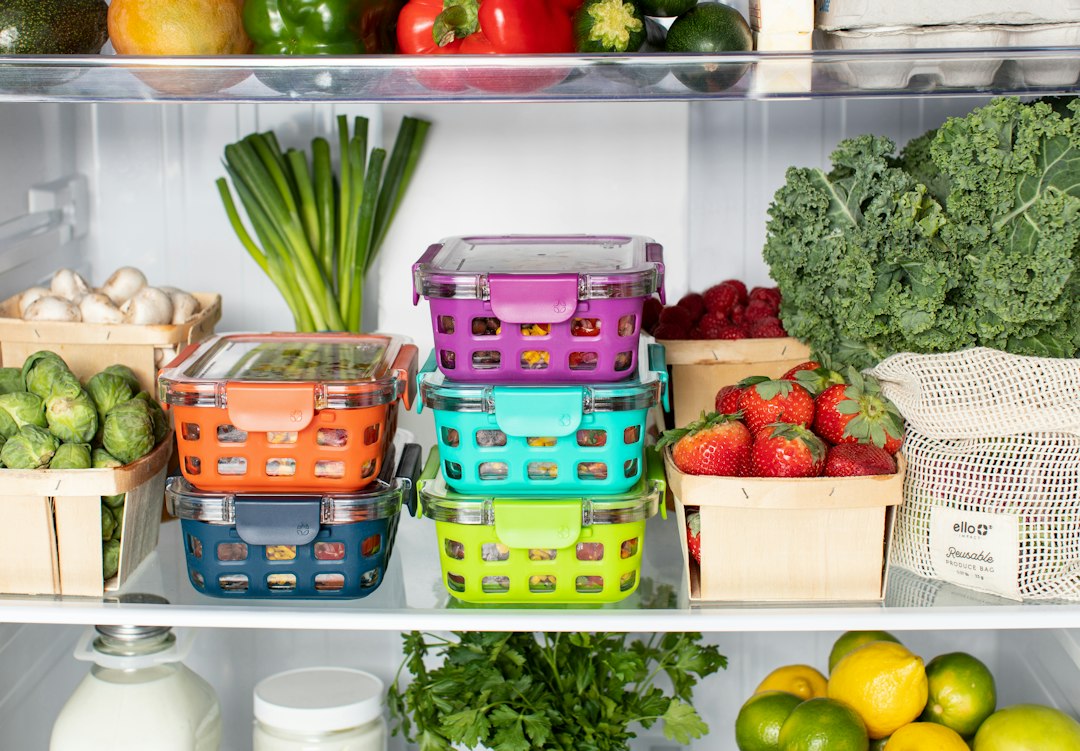
Reserve the front of a shelf for what should be eaten next. Move newly prepped items to the back and rotate forward as the week progresses.
Portion and plate for success
Portioning during prep eliminates decision fatigue. Use measured scoops or portion cups so each container has the right balance of protein, carb, and veg. If you cook for one, aim for single-serve containers; for families, prepare family-style mains and portion at mealtime.
Example portion rule
One palm-sized protein, one cupped-hand carb, and two fists of vegetables per adult serving—adjust for activity level. This fast rule keeps plates balanced without a scale.
Make reheating easy
Plan how meals will be reheated. Containers that are microwave- and oven-safe reduce dish transfers. For mixed dishes where textures suffer on reheating, store crispy components separately (dressings, roasted nuts, chips) and add after heating.
Small systems that prevent waste
- Keep a “eat-first” shelf or bin to highlight leftover odds and ends.
- Freeze extra portions in individually wrapped single serves to avoid salvage-or-spoil decisions midweek.
- Track perishables with a simple phone photo of your fridge when you finish prep—quick reference on the bus home.
Tools and small investments that repay weekly
Simple purchases speed prep: good knives, a nonstick sheet pan, a rice cooker, and a dependable container set. If counter space is limited, nestable containers and collapsible measuring cups are helpful.
For readers ready to commit, the meal prep container set above (ID 4793) covers most needs for meal stability, stackability, and easy reheating.
When to do less: planning for a busy week
If a week looks packed, scale prep down: focus on breakfast and two dinners; buy one healthy ready-made item to bridge the gap. A pared-back plan prevents burnout and keeps the habit sustainable.
Next steps: make one change this week
Pick one high-leverage tweak—set up a fridge zone, buy a stack of uniform containers, or create a two-protein weekly menu—and practice it for one week. The small habit compounds quickly.
- Create a 3-protein, 3-side weekly menu before shopping.
- Gather containers, labels, measuring tools, and a marker on the counter.
- Batch tasks: wash/chop, cook, portion, label, store.
- Designate fridge zones and place newly prepped items to the back.
- Freeze any extra single servings immediately with date labels.
Meal prep organization reduces weekday stress when it’s built around a small, repeatable system: plan limited options, use purpose-fit containers, label simply, and store with visible zones. Start with one concrete change and expand from there.
How often should I meal prep?
Once weekly is enough for most people—pick a weekend block that fits your schedule and top up with small midweek refreshes if needed.
What containers are best for reheating and freezing?
Durable BPA-free plastic or tempered glass with tight lids work well; check product specs for microwave, freezer, and dishwasher safety.
How do I keep salads from getting soggy?
Store wet ingredients separately or keep dressing in small containers; assemble just before eating or layer greens at the top of the container away from wet toppings.
Can meal prep reduce food waste?
Yes—planning portions, using freezer-ready single servings, and labeling with use-by dates cut spoilage and impulse purchases.
What if I don’t like leftovers?
Prep components, not full dishes: cook proteins and grains but combine differently across meals so flavors feel fresh.