 Wishlist
Answer up front: what counts as essential kitchen tools
Essential kitchen tools are the small set of durable, versatile items that let you safely prepare, measure, cook, and store everyday meals. For most home cooks that means: a good chef’s knife and cutting board, a set of measuring cups and spoons plus a kitchen scale, mixing bowls, a reliable skillet and saucepan, heatproof utensils, and a colander. These eight categories cover roughly 90% of routine cooking tasks.
Why these tools, and how to decide what you truly need
Think of essentials as the intersection of three things: frequency (how often you’ll use it), safety (does it reduce risk or improve control?), and versatility (can it handle many recipes?). A chef’s knife checks all three. A mandoline might be useful, but if you only slice veggies occasionally it’s not essential.
Core items and what each enables
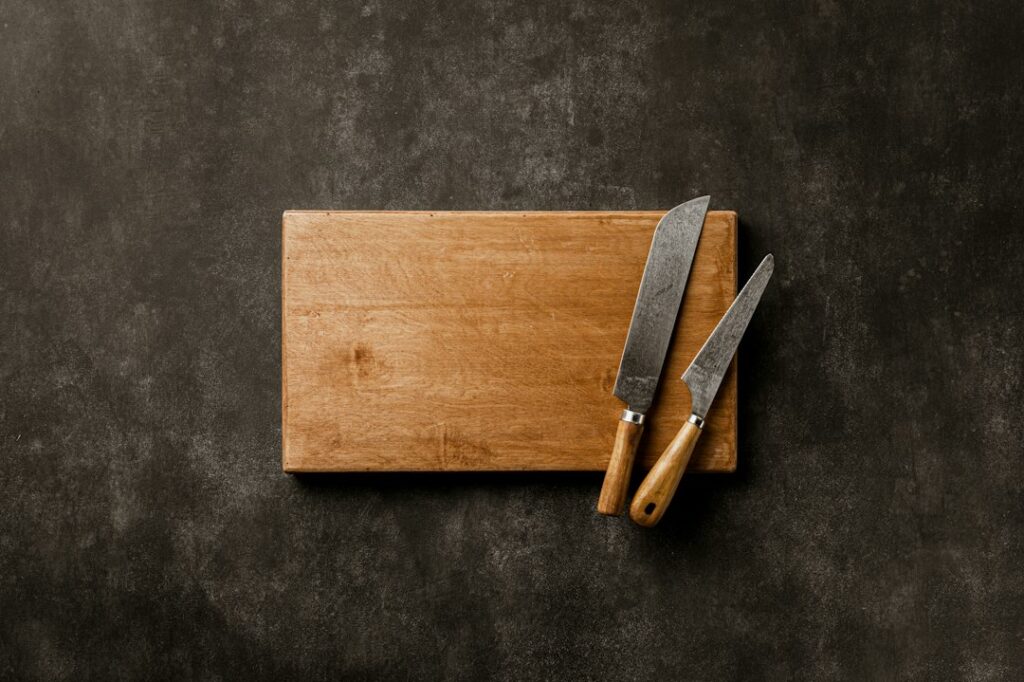
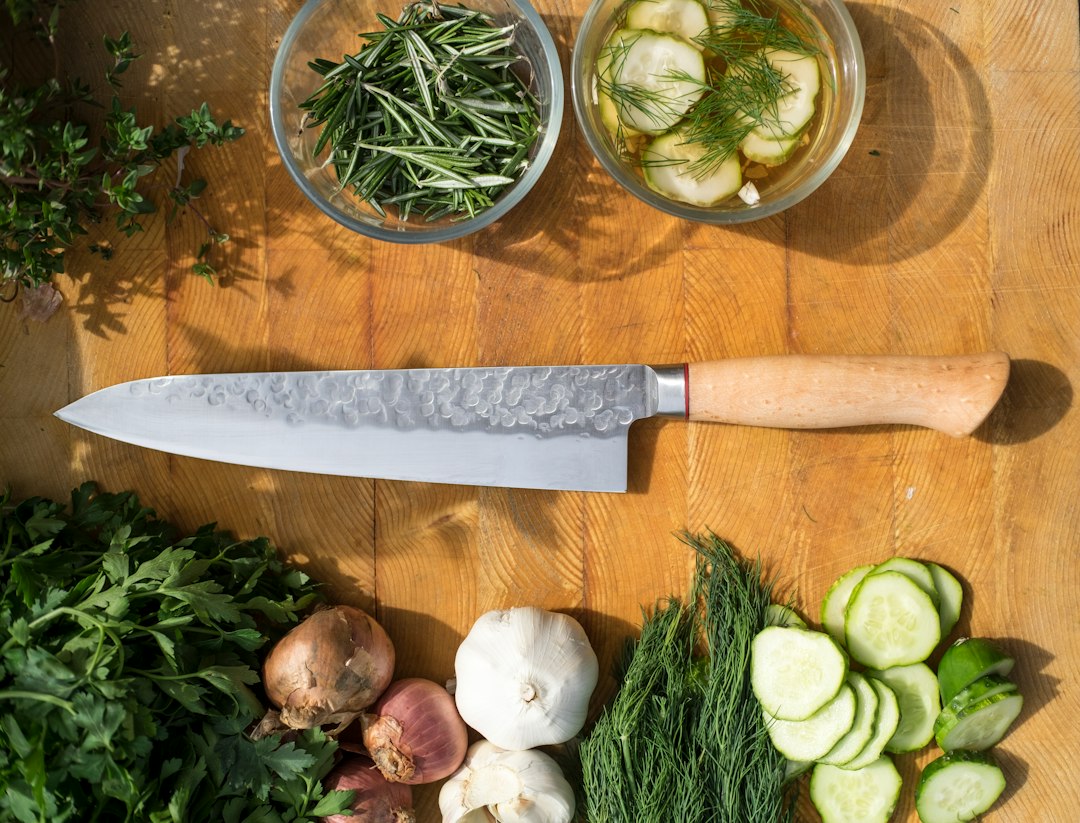
- Chef’s knife (8–10") and a paring knife: Most chopping, dicing, mincing and carving is faster and safer with a sharp chef’s knife. Add a small paring knife for peeling and precise cuts.
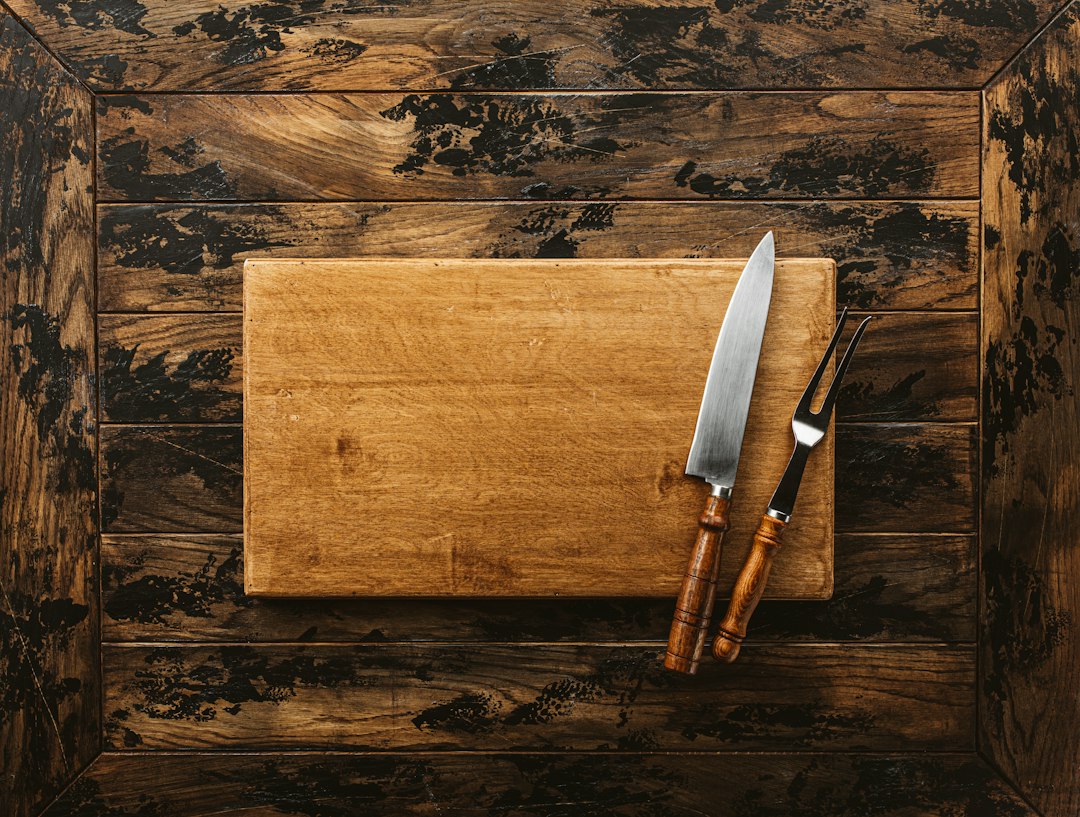
- Cutting board(s): Choose at least one wood or composite board for vegetables and a separate one for raw meat to avoid cross-contamination. Size should fit your counter workspace.
- Measuring cups, spoons and a kitchen scale: Liquids and dry volume measures plus a scale cover baking and accuracy for recipes. A scale reduces clutter—many cooks use it more over time.
- Mixing bowls (nested set): Stainless steel or glass bowls in small, medium, large sizes handle prep, tossing, marinating and mixing batters.
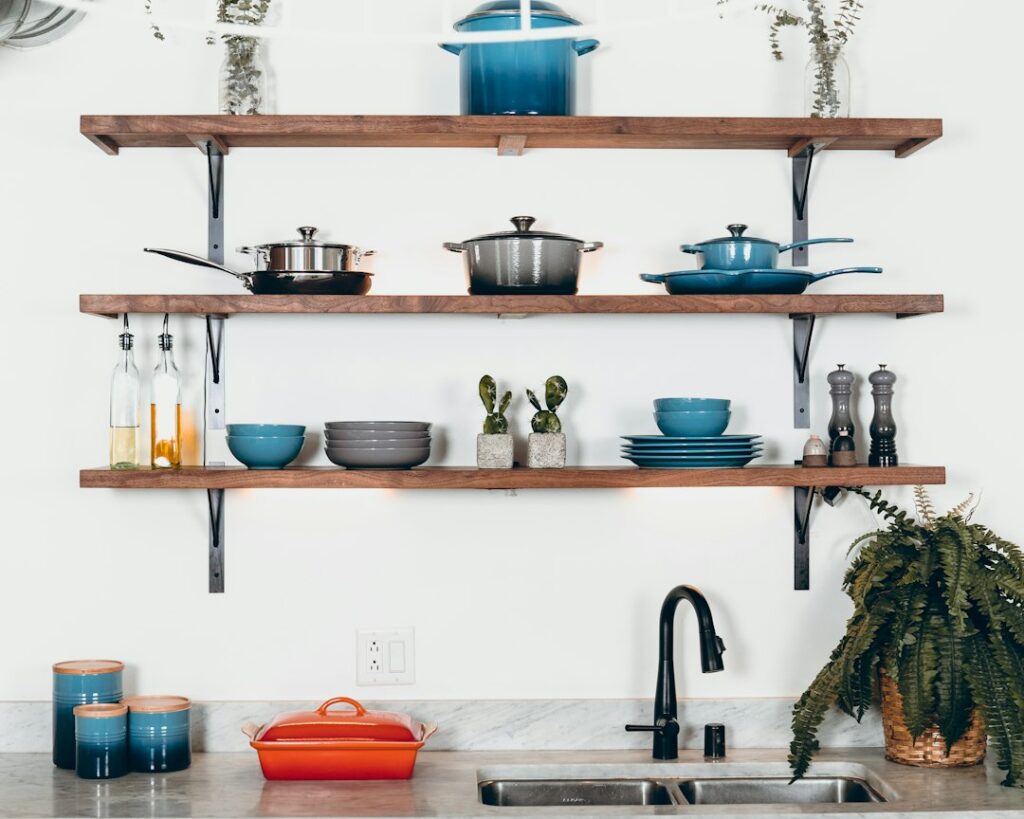
- Skillet and saucepan: A 10–12" skillet (preferably stainless or seasoned cast iron) and a 2–3 quart saucepan cover frying, sautéing, simmering, and sauces.
- Heatproof utensils: A spatula/scraper, wooden spoon, and a slotted spoon or tongs prevent scratching pans and handle hot food.
- Colander/strainer: For washing produce, draining pasta, and rinsing canned beans.
- Food storage containers: A few airtight containers for leftovers, meal prep and fridge organization.
Exceptions and reasonable substitutions
Small kitchens, tight budgets, or cooking styles change priorities. If you cook primarily stovetop one-pan meals, skip a full bowl set and prioritize a quality skillet and tongs. If you bake a lot, prioritize an oven thermometer, a good set of measuring spoons/cups and a scale over extra pans. If you lack storage, favor collapsible or nesting items.
Materials and trade-offs to consider
Materials influence maintenance and performance:
- Knives: High-carbon stainless is low-maintenance and sharp; forged blades feel balanced but cost more. Keep knives sharp—sharp is safer than dull.
- Cutting boards: Wood absorbs less noise and is gentler on knives; plastic is dishwasher-safe and easier to sanitize.
- Cookware: Stainless steel (with an aluminum core) is durable and good for browning; nonstick is convenient for eggs and sticky foods but wears out; cast iron holds heat for searing.
- Utensils: Silicone is heat-resistant and safe for nonstick surfaces; wooden spoons are cheap, durable and won't melt.
How to build this set sensibly and where to spend
Start with the knife and skillet first. A sharp chef’s knife and a 10–12" skillet unlock most recipes. Next add measuring tools and mixing bowls so you can bake and follow recipes precisely. Buy a separate cutting board for raw meat once you start cooking proteins regularly.
One product pick to get started
If you need a single first purchase to meaningfully improve your kitchen, a complete, reliable knife set is the most transformative—cutting speed, control and safety improve immediately. For convenience and breadth, a well-reviewed set covers chef, paring and utility needs for beginners and intermediate cooks.
Practical habits that make tools last
Keep a few simple routines to protect your investment: hand-wash cast iron and nonstick when recommended, dry wooden boards immediately and oil them occasionally, sharpen knives with a whetstone or send them to a pro once or twice a year, and avoid metal utensils on nonstick pans.
When to upgrade rather than replace
Replace rather than repair when performance or safety drops—knife chips, nonstick coating flaking, warped pans that no longer sit flat. Upgrade strategically: move from basic nonstick to stainless for more searing ability, or invest in a professional chef’s knife when you cook frequently.
- Do you cook >=3 times per week? Prioritize knife and skillet.
- Choose one versatile skillet size (10–12") rather than many specialty pans.
- Pick at least one wooden or composite cutting board and one plastic board for raw meat.
- Buy a kitchen scale if you bake or want fewer measuring tools.
- Check storage space before adding bulky appliances.
A compact, well-chosen set—knife(s), cutting board, measuring tools, mixing bowls, a skillet, a saucepan, heatproof utensils and a colander—lets most people cook confidently. Start with the knife and skillet, establish simple care habits, and add items when a specific need arises.
What cookware finish is best for beginners?
Stainless steel with an aluminum core is versatile and durable; nonstick helps for eggs and delicate foods but will need replacement sooner.
Are measuring cups enough for baking?
Measuring cups work, but a kitchen scale provides greater accuracy and reduces the number of separate measuring tools needed.
How many mixing bowls do I really need?
Three nested sizes (small, medium, large) are enough for most home cooking and save storage space.
Which utensil should I buy first?
A silicone spatula and a pair of tongs are the most useful first additions after knives and pans.