 Wishlist
What actually matters—and what you can ignore
When shopping for a frying pan, the big choices are material, pan size and how you'll use it. Ignore marketing buzzwords like “professional-grade” or vague promises about “lifetime nonstick” until you understand those core factors. Decide first whether you care most about high-heat searing, easy cleanup, oven use, or low-maintenance everyday cooking—material and size are what determine those outcomes.
Match material to the cooking you do: comparing the main options
Here are the common frying pan materials, what they do best, and the trade-offs.
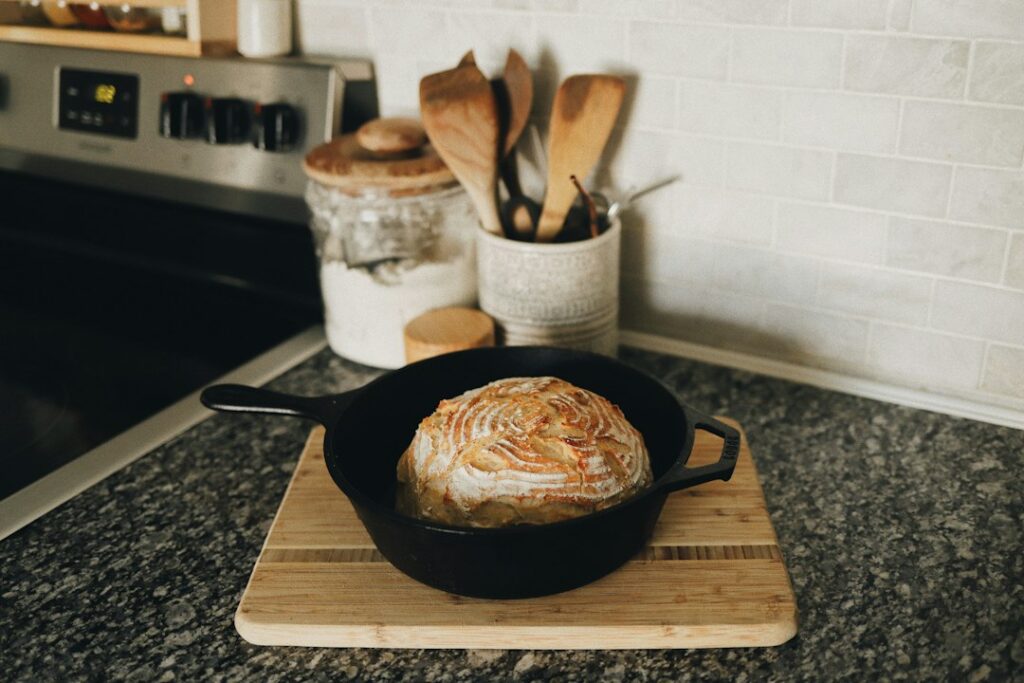
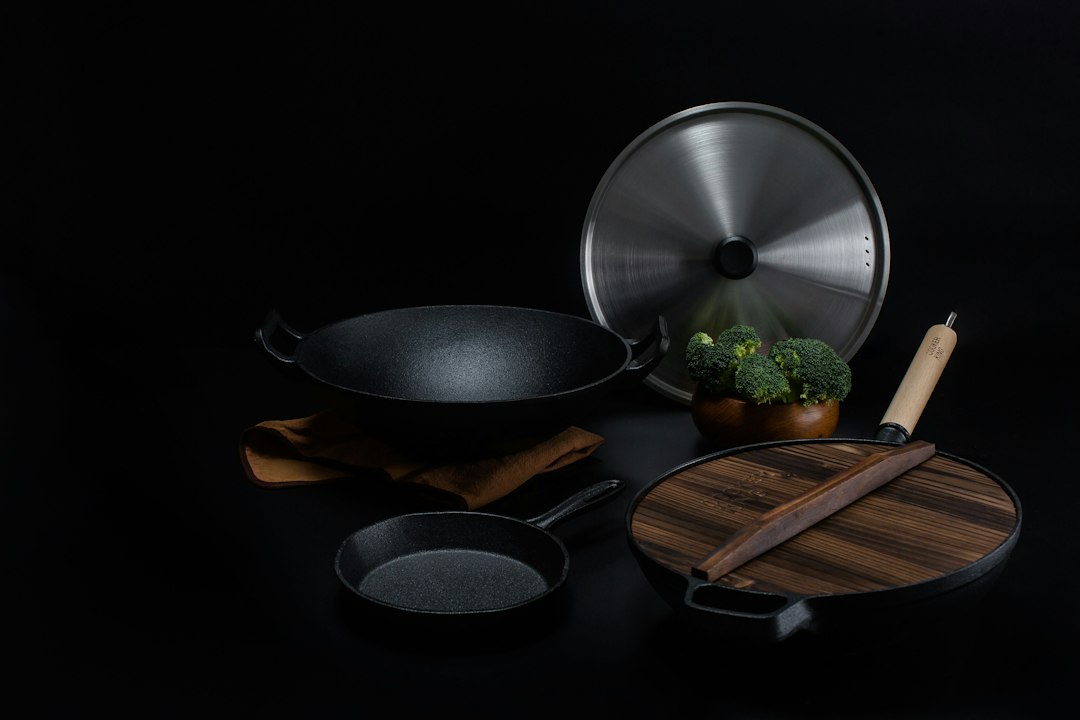
Cast iron — best for heat retention and browning
Strengths: exceptional heat retention, ideal for high-heat searing, oven-finish dishes and one-pan meals. Holds steady temperature for thick steaks and pan-roasted vegetables.
Trade-offs: heavy, requires seasoning and specific care (no long soaks, dry and oil after use), can react with acidic food if not well seasoned. Not ideal if you want immediate low-stick release for eggs or frequent dishwasher use.
Carbon steel — lighter alternative for professional-style cooking
Strengths: similar seasoning behavior to cast iron but lighter and faster to heat. Favored for stir-fries and crepes where a responsive pan is helpful.
Trade-offs: still needs seasoning and maintenance; less forgiving than stainless for acidic food.
Stainless steel — best for browning and versatility
Strengths: durable, non-reactive (good for deglazing sauces and acidic foods), often has a tri-ply or clad construction that heats evenly. Works on all stovetops including induction if the base is magnetic.
Trade-offs: food can stick when pan is too cold or oil is insufficient; requires technique (preheat, add oil, then food) for consistent results. Typically oven-safe and low-maintenance compared with cast iron.
Aluminum (usually hard-anodized) — lightweight and fast-heating
Strengths: excellent heat conduction, affordable, lighter than stainless or cast iron. Hard-anodized aluminum adds durability and often has a textured surface that helps browning.
Trade-offs: plain aluminum can be reactive; many aluminum pans are coated (nonstick or enamel) to solve this. Not always induction-compatible unless bonded to a magnetic base.
Nonstick coatings (PTFE/Teflon, ceramic, hybrid) — best for low-fat cooking and easy cleanup
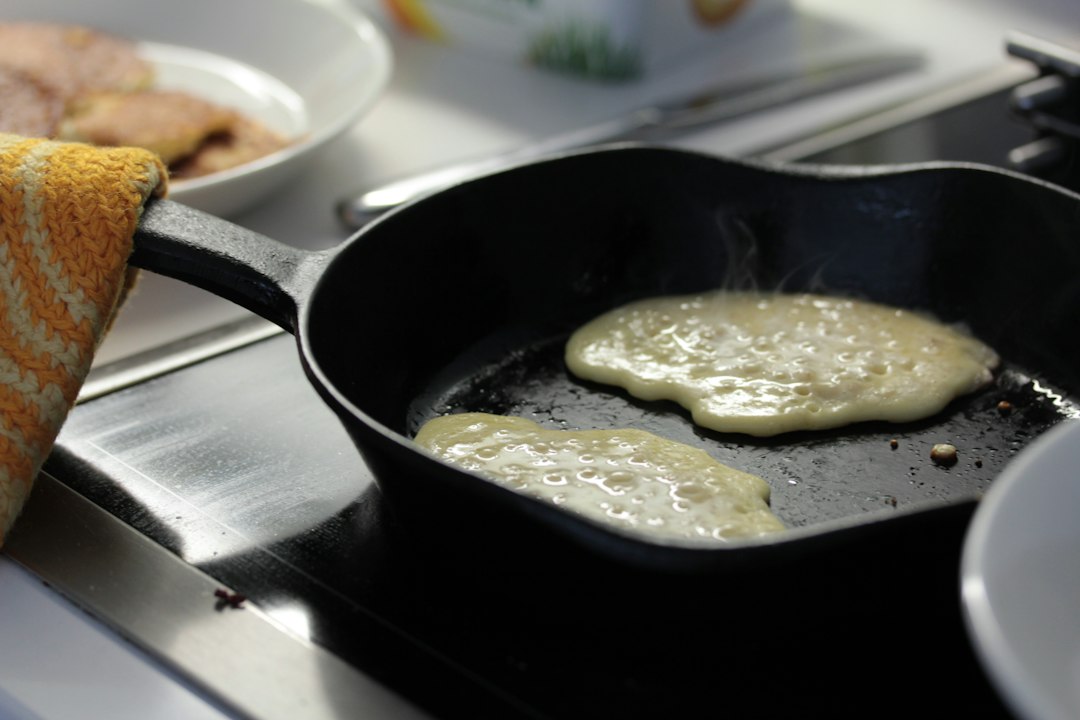
Strengths: excellent for eggs, pancakes and delicate fish; minimal oil needed and almost no scrubbing. Modern coatings often are PFOA-free and durable for everyday low-heat use.
Trade-offs: avoid high heat (can damage coating), metal utensils can scratch them, and coated pans generally don’t brown as well as stainless or cast iron. Expect periodic replacement if used heavily.
How to choose pan size and shape by use case
Choosing a size is as important as material. Match pan diameter and side shape to portion sizes and techniques.
- 8–10 inch: Single servings, frying an egg, small omelets; easy to store and handle.
- 10–12 inch: Most home cooks will want at least one 10" or 12" skillet for stir-fries, family-size sautés and one-pan dinners. A 12" is better if you regularly cook for 3–4 people.
- Shallow vs. deep sides: Shallow, flared sides give faster evaporation and easier tossing; deeper, straighter sides hold sauces and larger volumes better.
Stovetop and oven compatibility: check before you buy
Confirm the pan works with your heat source and planned cooking methods.
- Induction: needs a magnetic base—look for “induction compatible” or a clad stainless bottom.
- Gas: most materials work; cast iron and carbon steel excel at open-flame searing.
- Electric/glass: flat-bottomed pans heat best; avoid very warped or rounded bases.
- Oven use: check handle and coating temperature limits—stainless and cast iron usually tolerate high oven heat; many nonstick coatings do not.
Weight, handle, lid and construction details that affect daily use
These small factors change whether you'll reach for a pan or leave it in the cabinet.
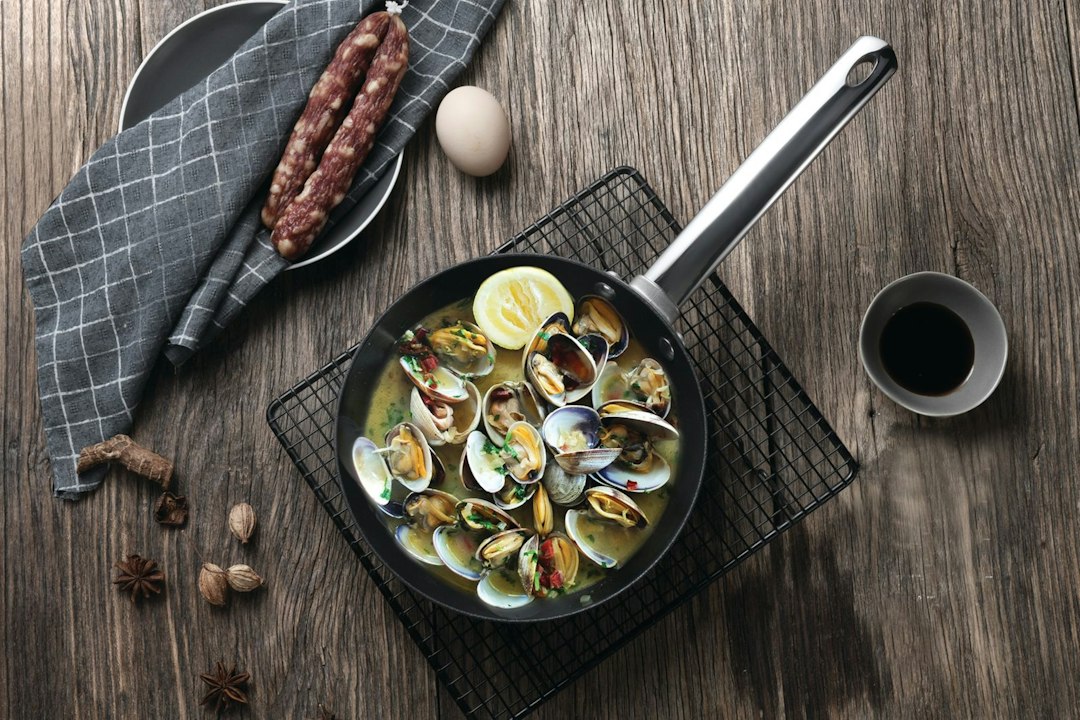
- Weight: Heavy pans (cast iron, fully clad stainless) feel premium and steady but are harder to maneuver. If you flip and toss a lot, prefer lighter hard-anodized aluminum or carbon steel.
- Handle: Look for a long, securely riveted handle with a heat-resistant finish and a helper handle on larger pans. A hollow or stay-cool stainless handle reduces oven limitations.
- Rivets vs. welded: Rivets are durable but harder to clean; welded handles make a smooth interior but can be less robust in budget ranges.
- Lid fit: A tight-fitting lid helps braises and steaming; many frying pan users value at least one pan with a lid for versatility.
The HexClad 10" Hybrid Nonstick is useful if you want a pan that blends stainless steel durability with nonstick release—good for cooks who need searing and easy cleanup without separate pans. Consider this when you want heavy-duty versatility in a single skillet.
Care and longevity: realistic maintenance expectations
How you care for the pan determines how long it performs well.
- Cast iron/carbon steel: season regularly, avoid soap when possible, dry fully and oil lightly after use.
- Stainless steel: scrub with a nylon or steel wool pad for stuck-on food; use deglazing (wine, stock) to lift fond and make sauces.
- Nonstick: use silicone or wood utensils, low-to-medium heat, and gentle cleaning; replace when coating is visibly flaking or performance drops.
When to choose two pans instead of one
Many cooks are best served by pairing a 12" stainless or cast-iron skillet with a smaller nonstick 8–10" pan. That combination covers high-heat browning and delicate foods without compromising technique or convenience.
Quick shopping checklist before checkout
Confirm these items in the product description or box:
- Material and construction (tri-ply, hard-anodized, cast iron)
- Induction compatibility if needed
- Maximum oven temperature and handle material
- Care instructions and warranty details
- Decide the primary use (searing, eggs, one-pan meals).
- Pick the ideal material for that use (cast iron, stainless, nonstick).
- Choose a primary size (10–12" for most families) and a smaller 8–10" for delicate tasks.
- Verify stovetop/induction and oven compatibility.
- Check handle attachment, lid availability, and weight comfort.
Focus first on what you cook and how you cook it: material determines heat behavior and maintenance, size determines portion control and versatility. For most homes, a 10–12" skillet in stainless or a hybrid plus a small nonstick pan covers almost every need.
Do I need a nonstick and a stainless steel pan?
Not strictly, but having both solves most kitchen tasks: stainless or cast iron for browning and sauce-making; nonstick for eggs and low-fat cooking.
Can I use a cast iron skillet on induction?
Yes—cast iron is magnetic and works well on induction, but it may scratch the cooktop if dragged; lift and place instead.
How often should I replace a nonstick pan?
Replace when the coating flakes, noticeably degrades, or food consistently sticks despite correct use; heavy home use often means replacement every 3–5 years.
Is a tri-ply stainless pan worth the extra cost?
Tri-ply (clad) construction gives much more even heating and reduced hot spots, which is worth it if you sear or make sauces regularly.
What size frying pan is best for families?
A 12" skillet is the most versatile for families of 3–4; pair it with an 8–10" for single-serve or delicate tasks.