 Wishlist
Picture this: it’s a Sunday afternoon, the house smells like onions and garlic, and you want a one-pot dinner that browns well on the stovetop and finishes tender in the oven. Reach for a Dutch oven.
Short answer: a Dutch oven is a heavy, thick-walled pot with a tight-fitting lid designed to cook evenly and retain heat. It’s used for long braises, stews, soups, roasts, baking bread and any recipe that benefits from steady, gentle, all-around heat. The most common materials are plain (pre-seasoned) cast iron and enameled cast iron; both excel at heat retention, but they behave slightly differently in care and use.
Why a Dutch oven works: heat retention, moisture circulation and a snug lid
Three features set the Dutch oven apart. First, its mass—thick cast-iron walls—stores heat and moderates temperature swings, so you can sear on the stovetop then transfer to the oven without hot spots. Second, the heavy lid and close fit trap steam; condensation beads and drips back into the food, keeping meats moist during long cooking. Third, many lids are slightly domed, promoting self-basting as condensed liquid runs back toward the center.
Materials and what they mean in practice
- Pre-seasoned cast iron (bare cast): Very durable, extremely good for high-heat searing and outdoor use (camping/coals). It requires maintenance—seasoning and avoiding soap for long-term nonstick properties.
- Enameled cast iron: Has a porcelain coating that prevents rust and lets you use acidic ingredients (tomatoes, wine) without affecting seasoning. Easier to clean and often available in bright colors but is heavier and can chip if mishandled.
- Ceramic or aluminum “Dutch ovens”: Lighter and less heat-retentive; they can be useful but won’t match cast iron for long braises and heat stability.
When to reach for a Dutch oven (practical examples)
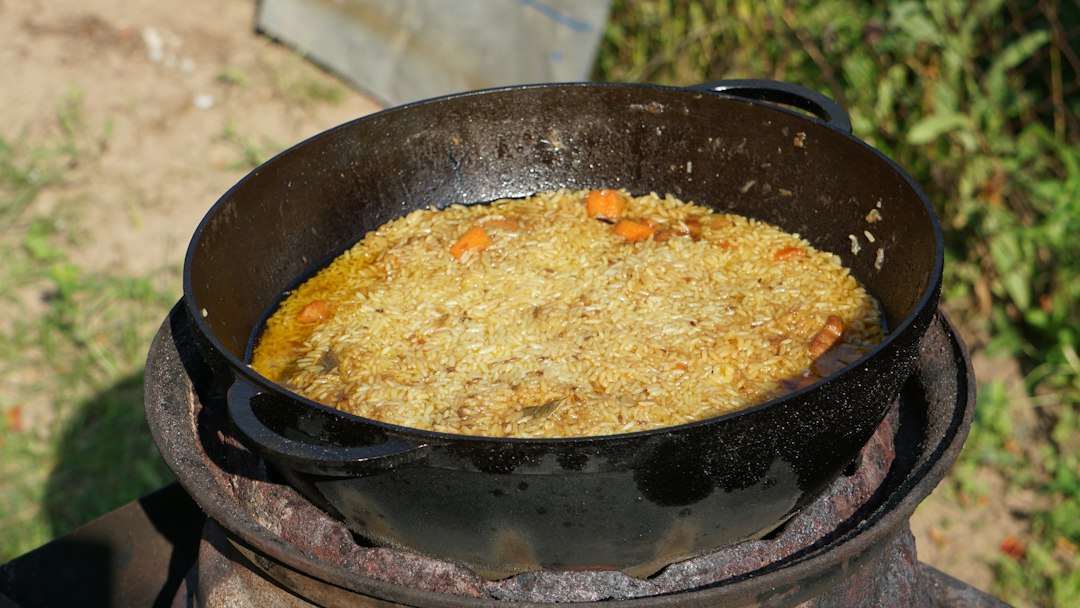
- Braising tough cuts: Short ribs, chuck roast, oxtail—brown on stovetop, add liquid and aromatics, then low-and-slow in the oven for several hours.
- One-pot soups and stews: Long simmering without needing frequent transfer; the pot maintains even simmering.
- Pot roast and whole chicken: High initial sear, then covered oven time yields tender, evenly cooked results.
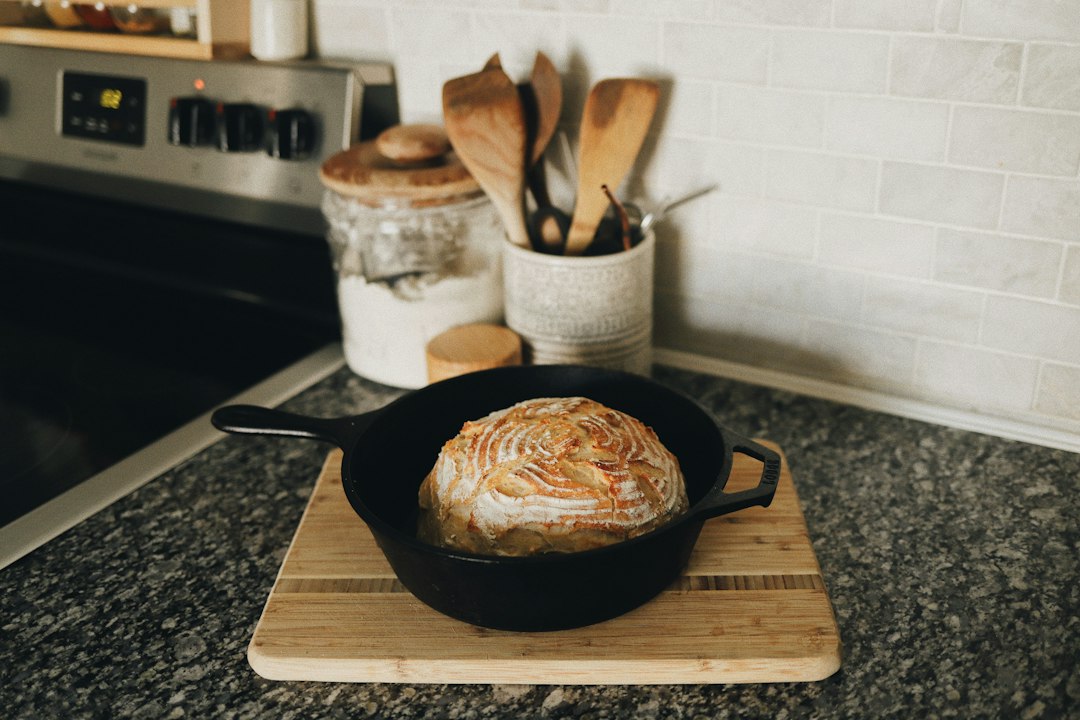
- Baking bread: For crusty artisan loaves, the Dutch oven creates a mini-steam oven that helps develop a crisp crust.
- Deep frying or simmering at a controlled temperature: The mass helps keep oil temperature steady when frying small batches.
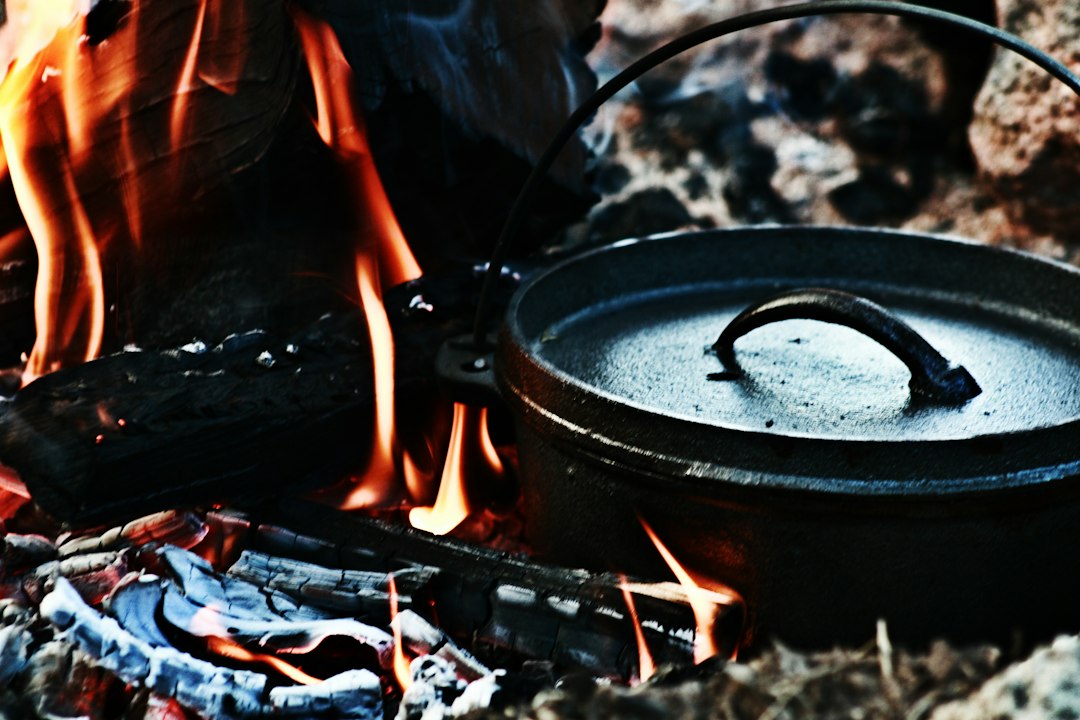
- Outdoor cooking and campfire use (cast iron): Pre-seasoned cast iron Dutch ovens are built for coals and open flame.
When a Dutch oven isn’t the right tool
Don’t use a Dutch oven for quick weeknight sautéing where a thin stainless or nonstick skillet is faster and lighter. For recipes that need rapid high heat and frequent tossing (stir-fry), a wok or skillet is better. Also, if you need a very large capacity (double-digit quarts) for catering, a commercial stockpot is more practical and lighter to handle.
Choosing size and lid style
Common home sizes are 4–7 quarts. A 5–6 quart Dutch oven suits families of 3–5 and handles most one-pot meals and a standard roast or loaf of bread. Choose a larger 7–8+ quart only if you often feed bigger groups or want room for big cuts. Look for a heavy lid with a secure fit; some lids double as a skillet or trivet—handy features to consider.
Care tips by material
- Enameled cast iron: Wash with warm soapy water; avoid thermal shock (don’t add cold water to a hot pot). No seasoning required.
- Pre-seasoned cast iron: Clean with hot water and a brush—use minimal soap. Dry thoroughly and rub with oil after use to maintain the seasoning; avoid soaking to prevent rust.
- General: Avoid metal utensils that can chip enamel; use oven mitts—the handles stay hot. Store with the lid slightly ajar if you worry about moisture and odors.
One recommended Dutch oven to consider
If you need a solid, versatile starter that works indoors and outdoors, the Lodge Cast Iron Double Dutch Oven (ID 3564) is a strong fit: durable cast iron with a lid that functions as a skillet and a deep pot for braises or stews. It’s especially useful if you want one piece that handles searing, oven finishing and campfire cooking.
Practical pairing ideas and recipes to try first
Start simple: make a braised chicken with onions, carrots and white wine, sear pieces in the Dutch oven, add aromatics and liquid, and finish covered in the oven for 45–60 minutes. Or bake a 3–4 pound no-knead loaf—preheat the pot, drop in the dough, cover and bake for a crisp, professional-style crust.
Where it fits in your cookware set
Treat the Dutch oven as your slow-cooking backbone: keep a skillet for quick work, a saucepot for small soups and a Dutch oven for anything that benefits from slow, moist heat. If storage is a concern, a 5–6 quart enameled model covers most bases without taking excessive space.
- Will you braise, roast, bake bread, or simmer long-cooking stews?
- Indoor-only cooking and easy cleanup: favor enameled; outdoor/use with coals: pre-seasoned cast iron.
- Household size: 5–6 qt for most families; choose larger only if you cook for 6+ regularly.
- Look for a tight-fitting lid and a lid that can double as a skillet if you want versatility.
- Plan for storage and handle care—cast iron is heavy and lids can chip if dropped.
A Dutch oven is a heavy, lidded pot best for slow, moist cooking and heat-stable tasks like braises, stews and baking bread. Choose enameled cast iron for low-maintenance indoor cooking or pre-seasoned cast iron for high-heat and outdoor use; a 5–6 quart size fits most needs.
Can I use a Dutch oven on the stovetop and in the oven?
Yes—cast iron Dutch ovens are designed for stovetop searing and oven finishing; enameled models are also oven-safe but check the manufacturer’s max temperature.
Is an enameled Dutch oven better than bare cast iron?
Enameled is easier to clean and handles acidic foods without affecting seasoning; bare cast iron is tougher for very high-heat searing and outdoor use but needs regular seasoning.
What size Dutch oven should I buy first?
A 5–6 quart Dutch oven suits most households and covers roasts, stews and bread baking without being overly heavy.
Can I bake sourdough in a Dutch oven?
Yes—preheat the Dutch oven, place the dough inside, and bake covered to trap steam; it produces a crisp, well-colored crust.
How do I prevent enamel chipping?
Avoid sudden temperature changes and rough handling; don’t hit the pot or lid together and use wooden or silicone utensils to reduce impact.