 Wishlist
Why 15 simple kitchen organization ideas—and what to ignore
What matters for saving space is trimming items, using vertical volume, and using narrow footprint solutions that reclaim drawers and cabinets. Ignore expensive full remodels, flashy smart gadgets that add cords, and overly complex systems you won’t maintain. This list focuses on practical, low-effort fixes you can do in a weekend or less.
1. Start by decluttering with three boxes
Quick triage: keep, donate/sell, recycle/trash. Be ruthless about duplicates (how many extra spatulas do you really use?) and single-use items you never reach for. Removing the unneeded frees measurable shelf inches before you buy any organizers.
2. Use vertical stacking in the pantry
Move from side-by-side to stacked where possible. Stackable wire baskets or cans-in-vertical-racks let you use the full cabinet height and make items visible instead of hidden behind front rows.
3. Slim down shelf gaps with risers
Shelf risers convert a tall single shelf into two usable levels for plates, mugs, or cereal boxes. They’re cheap, easy to place, and avoid awkward piles that waste vertical space.
4. Install a magnetic knife strip to free counter and drawer space
Wall-mounting knives clears a drawer and keeps blades visible and safe. Leave the strip a few inches above the counter and away from pass-through traffic to reduce accidents.
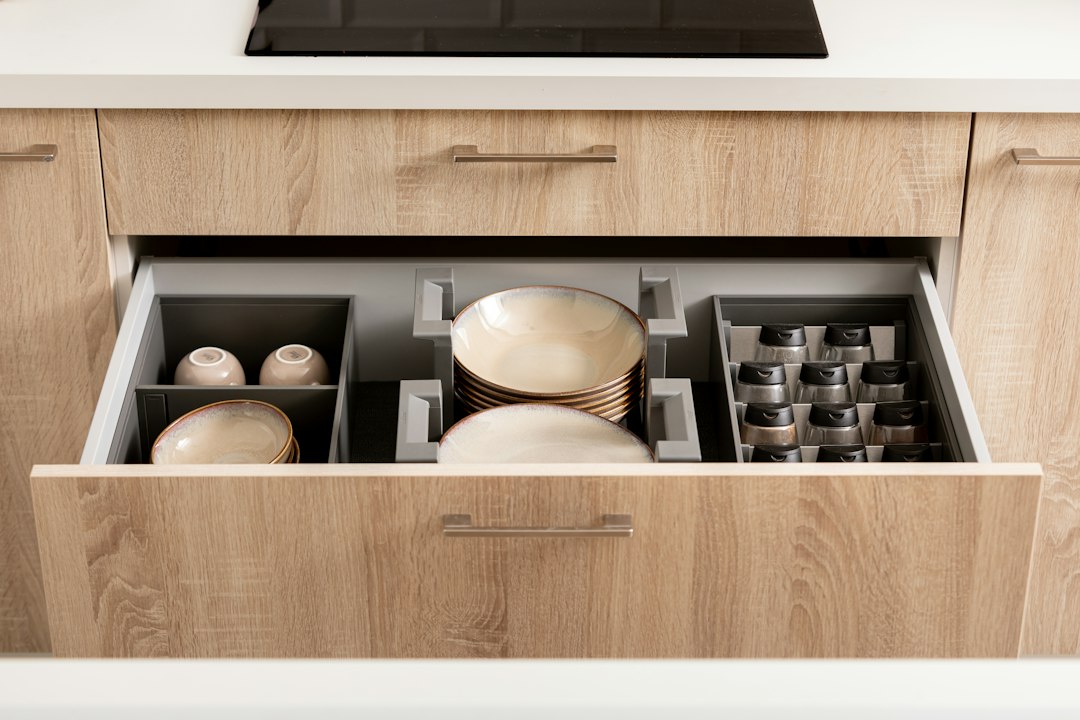
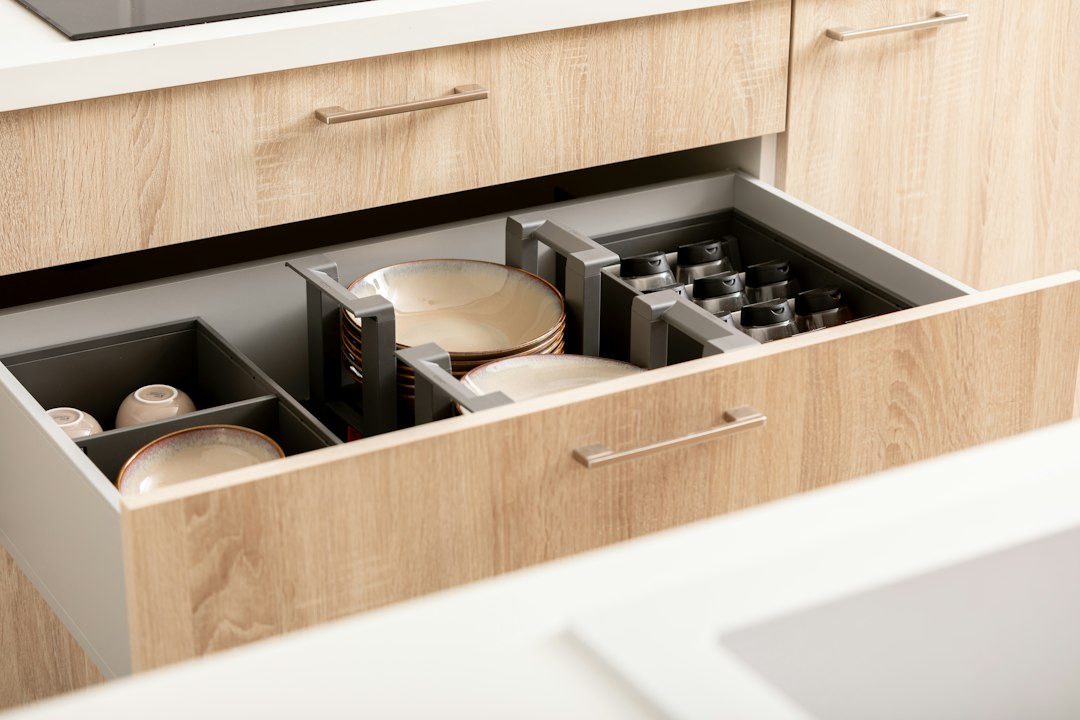
5. Convert a low drawer into a tray zone
Deep drawers are perfect for stacking lids, pans, or prepping tools horizontally. Use adjustable bamboo or expandable drawer organizers to keep groups separated and avoid rifling through a jumble.
6. Make the under-sink usable with a tiered organizer
Under-sink plumbing often creates awkward voids. A 2–3 tier under-sink rack with open baskets creates levels you can slide cleaning bottles in and out of, rather than stacking everything on the base.
This product is a good fit when you need to gain 30–35% more under-sink capacity without custom shelves; measure height around plumbing before ordering.
7. Hang pot lids and pans inside cabinet doors
Mount small racks or hooks inside a cabinet door to store lids vertically. This prevents lid avalanches and frees a shelf for stacked pots or baking sheets.
8. Use tension rods to corral baking sheets
A couple of vertical tension rods in a narrow cabinet turn a flat space into a standing organizer for baking sheets, cutting boards and cooling racks. They’re cheap and adjustable for different widths.
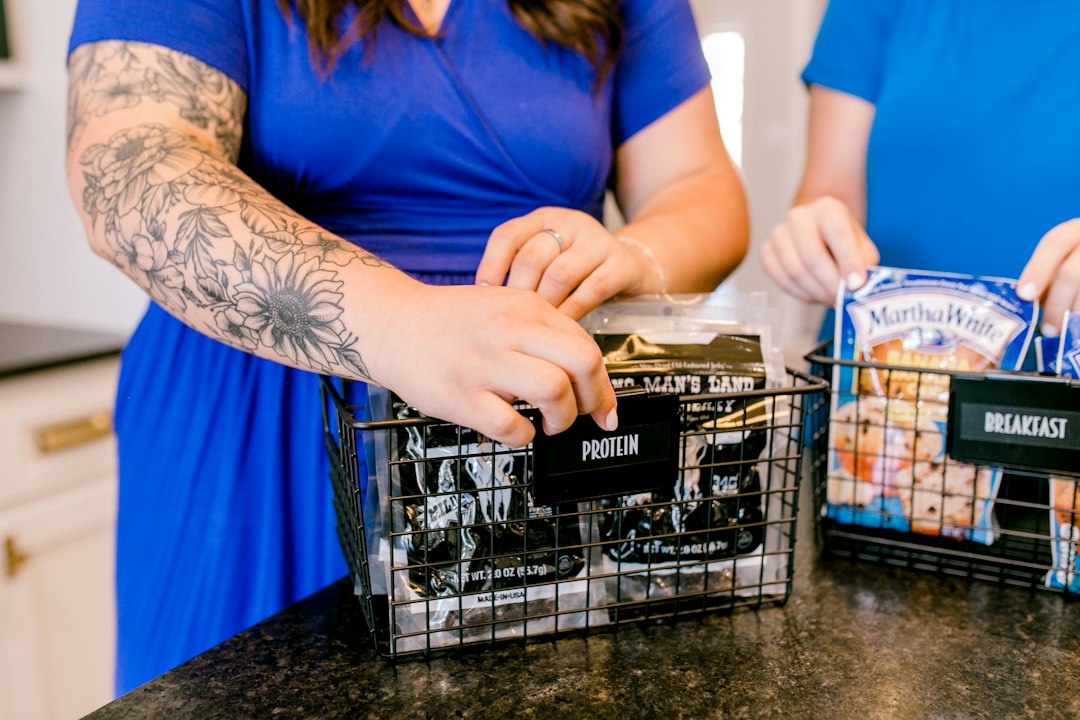
9. Create zones and label them
Designate one drawer for prep tools, one shelf for breakfast items, and a cabinet for small appliances. Clear, simple labels reduce duplicate purchases and make returning items to their spot fast.
10. Add an over-the-door rack for extra pantry storage
Pantry or cabinet doors are wasted real estate. An over-the-door spice rack or shelf adds narrow, accessible storage for small jars, snacks or cleaning supplies without drilling.
11. Stackable baskets for fridge and pantry flexibility
Open, stackable baskets let you build vertical columns of like items (snacks, cheese, produce). They keep items visible and allow you to pull an entire basket out to inspect contents.
12. Keep frequently used items at eye level
Store everyday plates, glasses and commonly used spices where you can reach them without step stools. Reserve higher shelves for seasonal or rarely used items.
13. Use drawer dividers for small tools and utensils
Expandable bamboo or modular dividers keep utensils tidy and take advantage of drawer length. Group similar utensils together and reserve one small slot for the odd tools you use weekly.
14. Make a small-appliance home
Designate one shelf or corner for daily small appliances—toaster, blender, coffee maker—so they’re not spread across counters. If you rarely use an appliance, store it in a labeled bin and pull it out only when needed.
15. Practice a 30-second nightly reset
Spend thirty seconds each evening returning items to their homes, wiping crumbs, and consolidating open containers. Small daily maintenance prevents clutter from compounding into a weekend project.
- Measure cabinet and under-sink heights before buying organizers.
- Remove duplicates and single-use items during declutter.
- Group items by use and place everyday items at eye level.
- Add vertical storage (risers, stackable baskets) where possible.
- Label zones and commit to a 30-second nightly reset.
Small, targeted changes deliver the biggest space gains: clear out what you don't use, add vertical or tiered organizers where you have dead height, and create simple zones so you and your household can maintain the system. Start with one hotspot and the wins will compound.
How do I choose between drawer organizers and shelf risers?
Pick drawer organizers for horizontal tools and utensils; choose shelf risers when you’re wasting vertical space on shelves with uneven height. Measure before buying to ensure fit.
Can I install an over-the-door rack in any pantry?
Most interior doors can hold an over-the-door rack, but check door thickness and hinge clearance to avoid rubbing; some racks are adjustable for wider doors.
Will magnetic knife strips dull blades?
High-quality magnetic strips are safe for knives when used properly; wipe blades before mounting and avoid hard impacts—use the strip for storage, not heavy-duty holding while cutting.
What’s the best way to organize under a sink with plumbing obstacles?
Use tiered open organizers or adjustable pull-out baskets that fit around pipes; measure the tallest bottle you need to store and the available clearance above pipes first.
How often should I reassess my kitchen organization?
A quick seasonal check (every 3–4 months) is enough for most households—reassess sooner if your cooking habits or household size change.