 Wishlist
What actually matters when choosing food storage containers—and what you can ignore
When you search for food storage containers you’ll be hit with material debates, fancy locking lids, and multi-piece sets promising “everything.” The single thing that matters first is use: how and where you’ll store food. Ignore marketing buzz (snap-proof, premium grade, lifestyle photos) until you decide whether your priority is refrigeration, freezer storage, pantry organization, portioning for meal prep, or transport. Once you have the use case, the trade-offs become simple: material, airtightness, shape and size, and stackability.
Match container material to the job
Choose the material based on safety, durability and where the container will be used.
- Glass — Best for fridge, reheating and long-term pantry items. Glass won’t stain or absorb odors, is oven-safe (without lid), and lasts longer. Heavier and breaks if dropped; choose tempered glass for durability.
- Plastic — Lighter and cheaper, good for transport and stacking. Look for BPA-free and labels for microwave or freezer use. Expect some staining from tomato-based sauces over time.
- Silicone — Flexible, collapsible containers and lids are great for saving space and for travel. Not ideal for long-term dry pantry storage unless combined with rigid containers.
- Metal (stainless steel) — Excellent for lunches, very durable and lightweight. Not transparent, so you’ll need good labeling; not microwave-safe.
Prioritize airtight seals and lid design
Airtight lids are crucial when keeping leftovers fresh, storing dry goods against pests, or preventing freezer burn. Look for:
- Silicone gasket and a positive-locking mechanism for airtight performance.
- Simple lids without multiple tiny parts for daily use—fewer pieces fail.
- Vented lids or microwave-safe vents if you plan to reheat directly in the container.
Size and shape: think purpose-first, not “more pieces”
A multi-piece set looks tempting, but you’ll use certain sizes more than others. Match shapes to storage spaces:
- Short, wide containers: good for leftovers, easy to fit on refrigerator shelves.
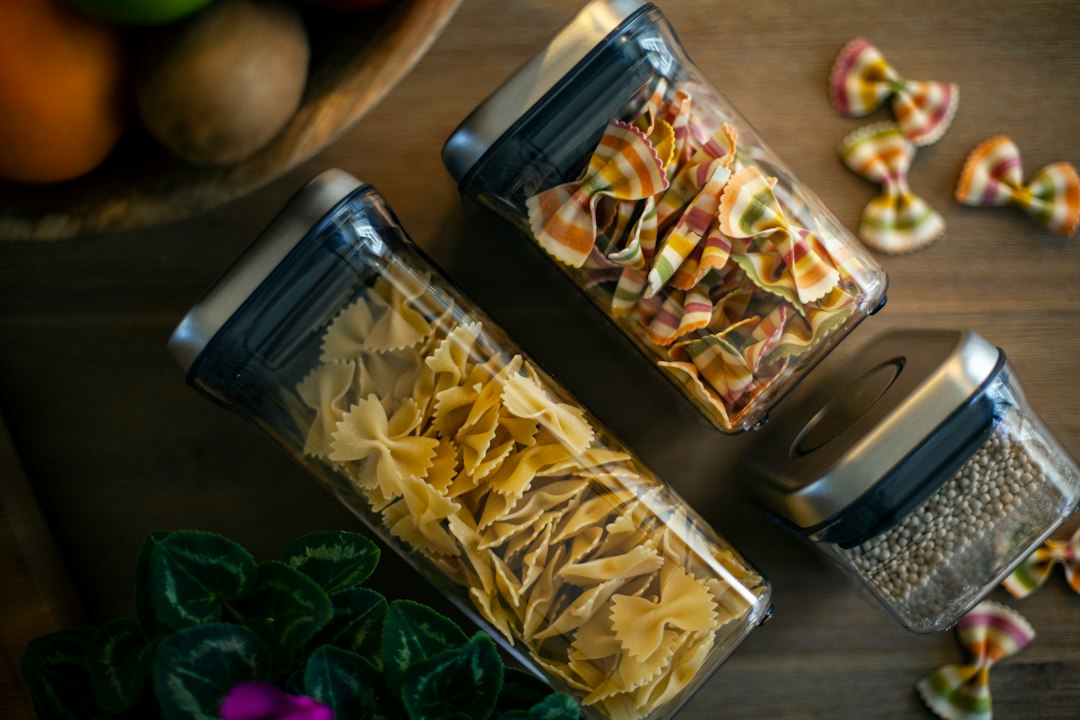
- Tall, narrow jars or dispensers: best for pantry staples like rice, pasta, flour and sugar.
- Rectangle, flat containers: fit better in fridge drawers and stack neatly; ideal for meal prep.
- Small round containers: useful for sauces, dressings and single portions.
Measure the shelves or drawers you plan to use and prioritize a few versatile sizes rather than a huge, mismatched set.
Freezer and microwave safety: check labels, not assumptions
If you freeze soups, batch-cook meals, or reheat in the same container, confirm freezer-safe and microwave-safe markings. For freezing, leave headspace because liquids expand. For microwave use, remove tight lids or use vented lids to avoid pressure build-up.
Transparency and labeling for quick identification
Clear or translucent containers save time—no one wants to open every lid to find leftovers. For opaque solutions like stainless steel, adopt a simple labeling system: a roll of freezer tape and a permanent marker or reuseable write-on lids.

Stackability and nesting: reduce clutter
Well-designed containers stack with lids on and nest without lids for storage. Rounded corners clean easier than sharp ones. If cabinet space is limited, prioritize sets that nest flat when not in use.
Hygiene, maintenance and longevity
Glass resists staining and odor retention; dishwasher-safe labels matter. For plastics, hand-wash or use top-rack dishwasher only if specified. Replace warped or cracked lids: a compromised seal defeats the purpose.
One decision: which container set should you buy?
Pick the primary use first:
- If you batch-cook and reheat in the oven/fridge: prioritize glass sets with airtight lids.
- If you need lightweight lunchboxes and transportable portions: choose BPA-free plastic or stainless steel for durability.
- If pantry organization and dry goods are the priority: tall airtight dispensers or canisters with scoop access work best.
For most households that want a single flexible solution, a mixed-size airtight set is practical: a few small rounds, medium rectangles, and several large rectangular or square containers for bulk leftovers and meal prep.
The CHEFSTORY airtight set is a good middle-ground solution if you want variety in sizes and airtight lids suited for fridge, freezer and meal prep. Consider adding a couple of tall pantry containers (see product ID 4685) if you store rice, flour or sugar in bulk.
Budgeting and buying strategy
Start small: buy a handful of well-chosen pieces that match your most common needs, then expand. Avoid large, cheap sets filled with sizes you’ll never use. Check replacement lid availability—losing lids is common, and replaceable lids extend a set’s lifetime.

- Measure the fridge shelves/drawers and cabinet depth you’ll use.
- Choose material matching use: glass for reheating, plastic/stainless for transport.
- Confirm airtight/freezer/microwave labels where relevant.
- Pick 3–5 versatile sizes instead of one large mixed set.
- Opt for stackable/nesting design to save space.
- Check for replacement lids or add-on pantry dispensers if needed.
Buy containers based on how you actually store food: glass if you reheat and store long-term, lightweight plastics or stainless for travel, and tall airtight dispensers for dry goods. Start with a few versatile sizes and prioritize airtight lids and stackability—add specialty containers once the basic system is working.
Are glass containers safe for the freezer?
Yes—tempered glass marked freezer-safe can go in the freezer; allow food to cool before sealing and leave headspace for expansion.
How do I stop plastic containers from staining?
Avoid microwaving tomato-based foods in plastic; rinse quickly after use and consider glass for foods that stain easily.
Do I need airtight containers for dry pantry goods?
Yes—airtight containers keep out moisture and pests and prolong freshness for flour, rice and other staples.
Can I mix container brands and lids?
Sometimes—but lid dimensions differ. Buying sets with replaceable lids or standard-sized jars reduces mismatch problems.
What sizes are best for meal prep?
Rectangular containers ~900–1200ml are versatile for full meals; 350–500ml containers work well for single portions and sides.