 Wishlist
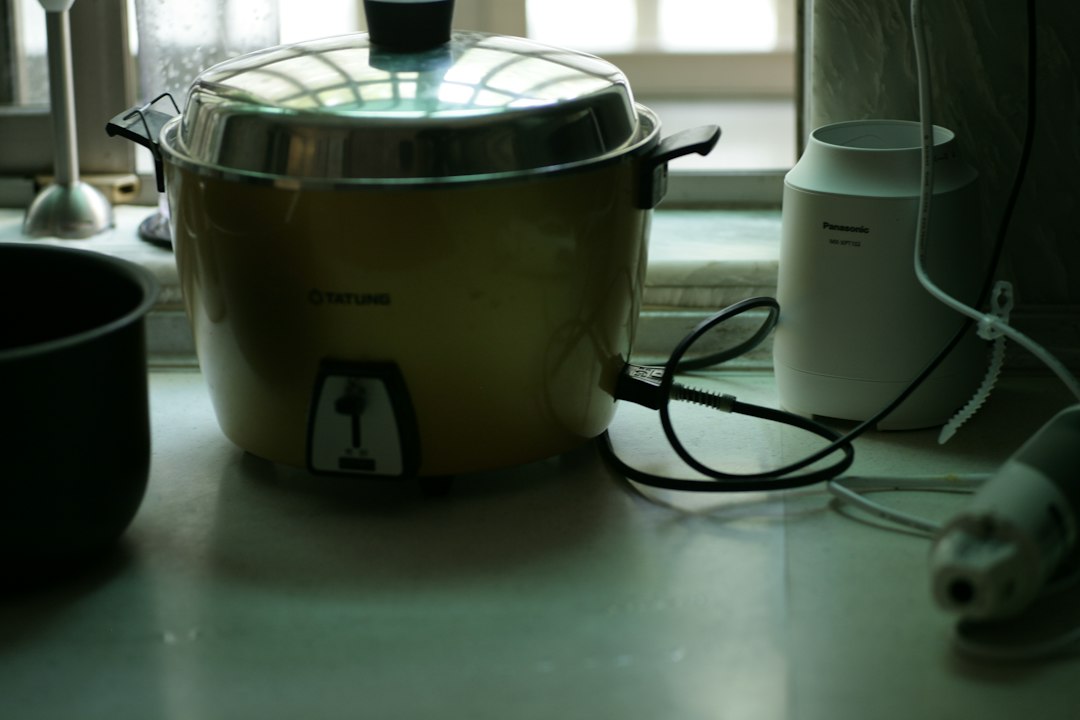
When you want dinner ready when you get home
Picture this: it’s a busy morning, you toss a trimmed chuck roast, carrots and a jar of tomatoes into a pot, set it, and by evening you have tender roast and gravy waiting. That’s the slow cooker promise—hands-off, forgiving, and great for stockpiling dinners. The key choices that make it work for you are size, features and simple technique. Focus on slow cooker sizes early so your machine matches how you cook and how many people you feed.
Match the slow cooker size to your household and meals
Slow cooker sizes are usually measured in quarts and the shape matters: oval vs round. Here’s how to choose:
- 2–3 quarts: Solo cooks, small sides, dips or individual desserts. Not ideal for a whole roast or a family meal.
- 4–5 quarts: Perfect for 2–4 people, casseroles, smaller roasts and weeknight stews. Great first buy if you live with one other person.
- 6–7 quarts: The most versatile. Fits a 3–6 lb roast, serves 4–8 people, and doubles as a party slow cooker. Choose oval if you plan roasts; oval fits longer cuts better than round models.
- 8+ quarts: Best for large families, batch cooking, or frequent entertaining. Bulky to store; only worth it if you regularly cook in large quantity.
Practical rule: choose a cooker that leaves about one-quarter to one-third of the pot empty when full. Overfilling slows cooking and underfilling wastes energy and can overcook small volumes.
Which features actually help beginners
Not every “feature” is essential. Prioritize these for reliable results:
- Programmable timer: Lets you set cook time precisely and switch to Warm automatically—important if you’re out during the day.
- Removable stoneware or insert: Dishwasher-safe inserts make cleanup easy and allow you to serve from the pot.
- Low/High/Warm settings: Simple manual controls are durable; digital controls add convenience but can fail more often.
- Tight-fitting lid: Retains moisture and speeds cooking; glass lids let you glance without losing heat.
- Shape: Oval for roasts and whole chickens; round is fine for soups and chilis.
When to pick a programmable model vs manual
Programmable units are safer for unpredictable schedules: set four to eight hours on High or Low and the cooker will switch to Warm. Manual models (dial controls) are simpler and usually cheaper—choose a manual if someone is typically home and you prefer straightforward operation.
Practical cooking tips that prevent common mistakes
- Brown meats first for depth: Searing beef or pork on the stovetop adds flavor. It’s optional for convenience but noticeably better.
- Don’t add milk or cream early: Dairy can separate; add cream, yogurt or milk in the last 30 minutes unless a recipe specifically says otherwise.
- Layer wisely: Put root vegetables (carrots, potatoes) on the bottom where they get more heat; more delicate vegetables and herbs go on top or in the last hour.
- Minimal lid lifting: Each lift can add 15–20 minutes of cook time; resist the urge to check unless you’re near the end of cooking time.
- Reduce liquids for thicker sauces: Liquid doesn’t evaporate much in slow cookers. If a recipe seems watery, remove the lid for the last 30–60 minutes or thicken with a slurry of cornstarch and water on High.
- Use frozen meat cautiously: Thaw first. Starting from frozen keeps food in the temperature danger zone too long and can produce uneven results.
Safety and food-handling basics
Slow cookers cook slowly but must reach safe temperatures. Cut tasks into quick wins:
- Thaw meat before adding. If you must cook from frozen, increase cook time and ensure internal temp reaches safe levels.
- Keep the cooker on a stable, heat-resistant surface with a few inches clearance from walls or curtains.
- Store leftovers promptly—cool within two hours, refrigerate in shallow containers and reheat to at least 165°F.
One product suggestion to simplify the choice
If you want a dependable, everyday model that matches the guidance above, consider a versatile 6-quart slow cooker with programmable timer and removable stoneware—ideal for most households and easy for beginners to use.
Recipes and uses that get the most from a slow cooker
Slow cookers shine on builds of flavor that benefit from long, gentle heat: pot roast, pulled pork, whole chickens, bean soups, chilis, stews, and layered casseroles. They also work well for overnight oats, poached fruit, and slow-simmered sauces.
Example: for a basic pot roast in a 6–7 quart cooker—sear a 3–4 lb roast, place root veg underneath, add 1–2 cups broth, cook on Low for 8–9 hours, then remove lid for 20–30 minutes to reduce and thicken juices.
Storage, cleaning and longevity
- Let the insert cool before washing to avoid thermal shock. Most removable stoneware is dishwasher-safe.
- Avoid metal utensils on ceramic inserts to prevent scratches; silicone or wooden tools are kinder.
- Store the cooker with the lid slightly ajar if possible to prevent odors when not in use for long periods.
- Decide how many people you typically cook for (pick a size).
- Choose oval for roasts; round is fine for soups and beans.
- Prefer removable stoneware and a glass lid for easy cleaning and checking.
- Pick programmable if you need automatic Warm after cooking.
- Plan to brown large cuts and add dairy late in cooking.
- Have shallow storage containers ready for quick refrigeration of leftovers.
Choose a 6–7 quart slow cooker with removable stoneware and a programmable timer for the best balance of capacity and convenience. Use basic layering, minimal lid lifting and add dairy late to avoid common pitfalls.
What size slow cooker is best for a family of four?
A 5–7 quart slow cooker is the sweet spot for a family of four; 6–7 quarts gives extra room for larger cuts and leftover portions.
Can I put frozen meat in a slow cooker?
It’s safer to thaw first—frozen meat can keep food in the danger zone too long and cook unevenly. If unavoidable, increase cook time and check internal temperature.
Is a programmable slow cooker worth the extra cost?
Yes for variable schedules: programming and automatic Warm prevent overcooking and let you leave the house with less worry. Manual dials work well if someone is home to switch settings.
How can I thicken a watery slow-cooker sauce?
Remove the lid for the last 30–60 minutes to reduce liquids, or stir in a cornstarch slurry (1 tbsp cornstarch + 1 tbsp cold water) and cook on High until thickened.
Do shapes (oval vs round) really matter?
Yes—oval inserts accommodate longer roasts and whole chickens better; round pots are slightly better for soups and one-pot meals where shape is less important.