 Wishlist
What really matters when choosing a cutting board (and what you can ignore)
Focus on three things: what you cut most, how much cleaning and maintenance you’ll do, and how the board affects your knives. Ignore marketing buzz about “antibacterial” materials or fanciful warranties; proper cleaning and material choice are far more important. Size and thickness matter practically—don’t pick a tiny board if you prep large vegetables—and prioritize surface hardness relative to your knives: too hard will dull blades, too soft will scar quickly.
Match material to use: choose by task, not by trend
Here’s the short answer up front: for most home cooks, a wooden or bamboo board for vegetables and bread plus a dedicated plastic board for raw meat is the most practical combo. Each material has real trade-offs below.
Wood (edge-grain and end-grain)
Why choose it: Wood (maple, walnut, cherry) is knife-friendly, attractive, and can self-heal small cuts (especially end-grain) so bacteria don’t lodge as deeply. Best for vegetables, fruit, bread and general prep.
- Pros: Gentle on knives, long-lasting with care, attractive for serving.
- Cons: Requires regular oiling, not ideal for raw meat unless you accept more vigilant cleaning, heavier and usually pricier.
- Good fit: Home cooks who appreciate knife maintenance and want a durable prep-and-serving board.
Bamboo
Why choose it: Faster-growing eco choice and harder than many woods. It resists water better than some wood species but is still organic and needs oiling.
- Pros: Eco-friendly, lighter than dense hardwoods, attractive grain.
- Cons: Often harder (can dull knives faster), can split if left wet, and glue seams in cheaper boards may fail over time.
- Good fit: Home cooks who like a natural look and lower-cost wood alternative, but plan to oil and dry it properly.
Plastic / Polyethylene (HDPE)
Why choose it: The easiest to sanitize—safe in the dishwasher (if manufacturer allows) and inexpensive. Plastic boards are ideal for raw meat, fish and poultry.
- Pros: Dishwasher-safe options, color-coded sets exist to prevent cross-contamination, lightweight, inexpensive.
- Cons: Knife scars appear quickly and can harbor bacteria if not replaced when scored deeply; less attractive for serving.
- Good fit: Busy cooks who prioritize sanitation and low maintenance or need a board exclusively for raw proteins.
Composite (Richlite, Epicurean) and Resin-stabilized wood
Why choose it: Composite boards combine a wood-like feel with near-dishwasher resistance and low maintenance. They’re often a middle ground between wood and plastic.
- Pros: Knife-friendly, low absorption, attractive, many are heat-resistant.
- Cons: More expensive than basic plastic, still vary by brand—check care guidelines.
- Good fit: Someone who wants wood’s feel without routine oiling and occasional dishwasher use.
Size, thickness and other practical decisions
Choose size by your prep style. A 12" x 18" large board is comfortable for veg and dough; a 9"–10" board is fine for quick tasks and small kitchens. Thickness affects stability and longevity: ¾"–1" is common for wood; thicker end-grain boards (1.5"–2") are long-lived but heavy.
- Reversible vs single-sided: Reversible boards double your usable surface and often include juice grooves on one side—handy for meat and fruit.
- Juice grooves: Useful for carving roasts and juicy fruit; skip them for everyday veg prep if you prefer a flat surface for chopping.
- Grip and feet: Non-slip feet or silicone edges reduce sliding—important for safety when chopping.
Sanitation and knife care: how to use and maintain each type
Use the right board for the right job and clean it correctly.
- Plastic: Wash with hot soapy water and sanitize after raw meat (a dilute bleach solution or commercial sanitizer), or use the dishwasher if allowed. Replace when deeply scored.
- Wood/Bamboo: Hand-wash with hot soapy water, dry upright. Every month or when it looks dry, rub food-safe mineral oil or board cream into the surface; wax-based finishes add water resistance. Avoid soaking or the dishwasher.
- Composite: Follow manufacturer care—many are hand-wash but can tolerate more moisture.
When to pick each board as your primary option
Decide by the typical meal and how often you’ll maintain the board.
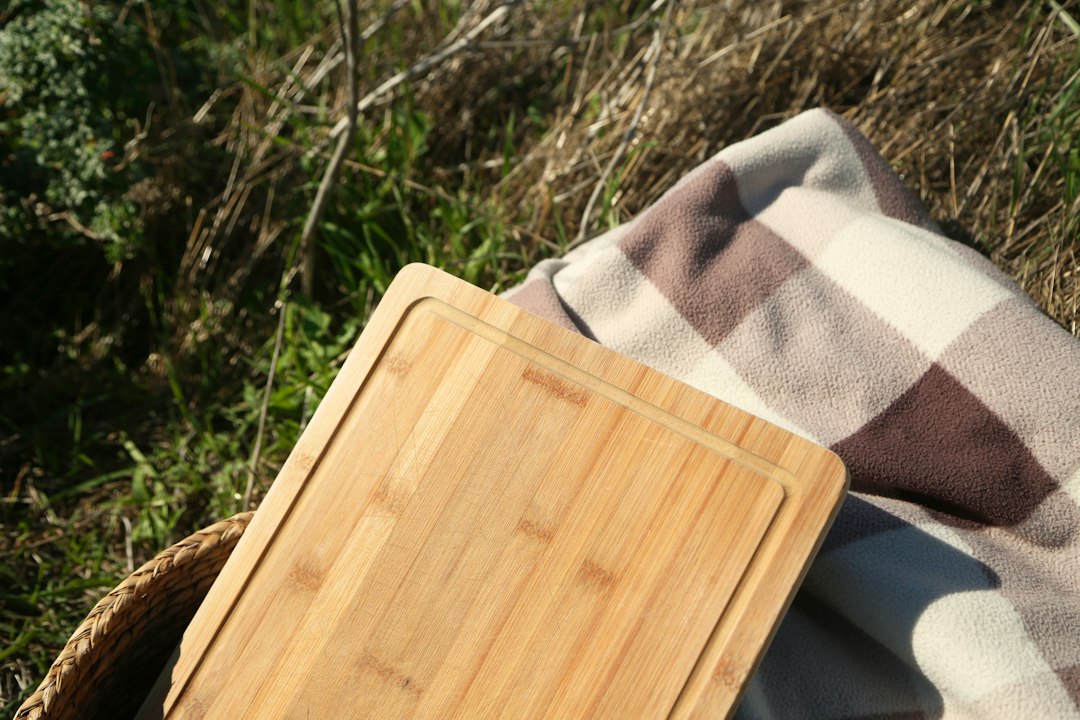
- If you cook meat often and want low fuss: Primary plastic board for proteins + small wood board for vegetables and serving.
- If you host and value aesthetics and longevity: Start with a quality end-grain or thick edge-grain wood board and add a plastic board for raw meat.
- If you dislike maintenance but want a wood look: Consider a composite board (Richlite/Epicurean-style).
- If space or budget is tight: A versatile reversible plastic board with juice groove and a small wooden serving board covers most needs.
Products that fit common kitchen needs
Here are store-matched options that align with the use cases above.
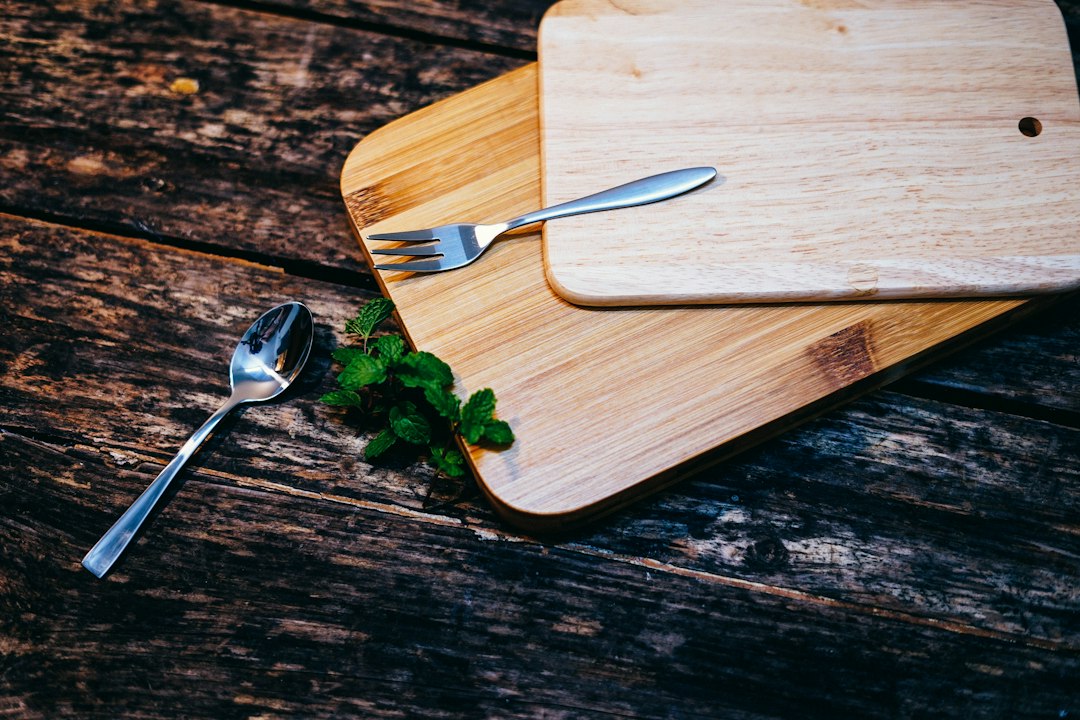
The Freshware Bamboo Cutting Board Set (Rank #1) is a well-rounded starter set that fits cooks who want multiple sizes for everyday prep and serving. Use the largest for vegetables and the smallest as a dedicated herb/fruit board.
The Extra Large Plastic Cutting Board (Rank #3) is a practical choice for a meat-specific board; its size and easy-clean surface reduce splash and make sanitation easier.
Buying checklist before you click “add to cart”
- What will I cut most—meat, vegetables, herbs, bread?
- Do I need a dedicated board for raw proteins to avoid cross-contamination?
- Can I commit to oiling and hand-washing if choosing wood or bamboo?
- Is the board size appropriate for my counter and storage space?
- Does it have non-slip feet or will I buy a silicone mat?
- Am I choosing an end-grain, edge-grain, or plastic board and do I understand the care differences?
For most kitchens, the best cutting board combination is a knife-friendly wood or composite board for general prep and a durable plastic board for raw meat. Match size to your prep, commit to basic maintenance, and replace plastic boards once they’re heavily scored.
Are wooden cutting boards safe for raw meat?
They can be used, but plastic is easier to sanitize reliably; if you use wood for meat, clean and dry it immediately and consider periodic sanitizing steps.
How often should I oil my wooden cutting board?
Oiling every 1–3 months is typical; oil sooner if the wood looks dry or water stops beading on the surface.
Can I put my cutting board in the dishwasher?
Only plastic or manufacturer-specified composite boards belong in the dishwasher; wood and bamboo will warp or crack.
When should I replace a plastic cutting board?
Replace it when deep knife grooves form that are hard to clean—typically when you can no longer smooth the surface by sanding or the grooves trap residue.
Is end-grain worth the extra cost?
End-grain boards are more forgiving on knives and last longer under heavy use; they’re worth it if you do a lot of chopping and want a long-term board.