 Wishlist
What actually matters when choosing between a vegetable chopper vs food processor
If you searched "vegetable chopper vs food processor" you want one clear decision, not a long list of features you’ll never use. Focus on four practical criteria that determine real usefulness: how much you prep (batch size), the range of jobs (versatility), cleanup and storage (daily friction), and budget. Ignore marketing terms like “professional-grade” unless you need heavy continuous use; also don’t bet on every specialty blade—you’ll use only a few attachments regularly.
Quick answer: pick by your primary cooking habits
If you regularly prep large batches, make sauces, dough, nut butters, or shred/kneed often—choose a food processor. If you mostly chop small amounts for salads, salsas, quick weeknight meals, or want a compact, low-cost tool with minimal cleanup—choose a vegetable chopper. The rest of the article explains the trade-offs and exceptions so you can pick with confidence.
How they differ in everyday use
Below are the practical trade-offs you’ll notice week after week, with concrete examples rather than abstract specs.
Batch size and speed
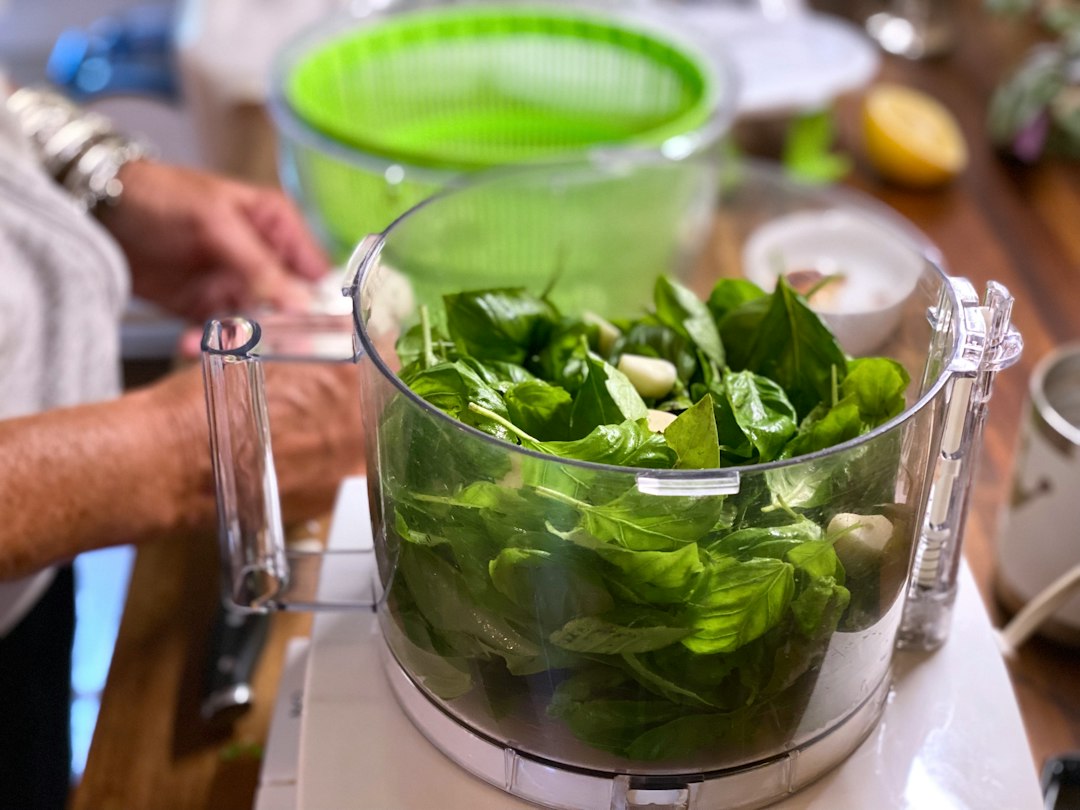
Food processors win for volume. A 7–14 cup processor handles large batches—think hummus for a party, shredding cabbage for coleslaw, or making pie dough. If you make big-batch sauces, pesto, or regularly prep for meal prep, the motorized machine saves time.
Vegetable choppers are faster for small jobs. A 1–3 cup manual chopper dices an onion or two in seconds without hauling out a bulky appliance—ideal for single meals or garnishes.
Versatility vs focused performance
Food processors do more: slicing, shredding, pureeing, kneading (some models), and fine chopping. They’re versatile when you want fewer appliances. Vegetable choppers focus on quick dice, julienne, or straight slices and usually offer predictable, uniform results for those specific tasks.
Cleaning, assembly and daily friction
This is where preferences diverge. Food processors have multiple parts—lid, pusher, disks, bowl—that need cleaning, though many pieces are dishwasher-safe. That friction can discourage frequent use. Manual choppers usually have one or two blades and a small container; they clean faster and are more likely to sit on a counter or in a drawer ready to use.
Counterspace and storage
If space is tight, a compact manual chopper stores easily. A full-size food processor needs cabinet space or a permanent spot on the counter if you use it often. There are smaller processors, but they still occupy more real estate than a hand chopper.
Noise, power and control
Food processors are noisy and powered, so you’re dependent on an outlet and motor cycles. Manual choppers are quiet and offer finer control over texture because you determine the number of pulls or pushes—handy when you want coarser vs finer dice without guesswork about pulse timing.
Which tool fits common cook profiles
Match each reader profile below to the tool that will reduce friction and produce better results.
The weekly meal prepper (large batches, multi-task)
Choose a food processor. You’ll appreciate the capacity and blade options for shredding, pureeing soups, and making dressings or dough. A mid‑range 7–10 cup processor is a sensible compromise: large enough for most jobs, not as bulky as a commercial unit.
The busy weeknight cook (small batches, quick cleanup)
Choose a vegetable chopper. For chopping onions, peppers, or herbs for 1–3 servings, a manual chopper saves time from setup to cleanup. It will be used more often because it’s accessible.
The baker and sauce-maker (kneading, emulsifying, purees)
Choose a food processor. Dough hooks and a powerful motor matter here—manual choppers won’t handle these tasks. Processors also make beautifully smooth purees and batters.
The occasional cook who wants one tool to cover many tasks
Choose a food processor if you want flexibility and are okay with the storage and cleanup trade-offs. If you truly cook very little, a compact manual chopper is cheaper and less annoying to maintain.
Real-world exceptions and hybrid approaches
Some kitchens use both: a small manual chopper for daily quick tasks and a mid-size food processor for weekends or larger projects. Another option is a smaller electric mini-processor—good for single portions but limited for shredding or dough.
The Cuisinart 7-Cup Pro Classic Food Processor (ID 4098) is a solid single-machine choice for cooks who need regular medium-batch processing, with a powerful motor and classic blade set. It's listed here because it balances capacity, motor strength and common-use features that matter to the profiles above.
Buying checklist: what to look for in each category
Practical specifications matter less than compatibility with your habits. Use this mini-checklist before you hit buy:
- For a food processor: choose capacity that fits your usual batch size, check motor wattage (higher for dough/puree), and confirm dishwasher-safe parts.
- For a vegetable chopper: pick a model with sturdy, sharp blades and a lid that seals well; verify replacement blades are available.
- Consider storage: measure the shelf/counter space where it will live.
- Think about frequency: if you’ll use it several times a week, favor ease of cleaning and assembly over marginal extra features.
Checklist before you buy
- What’s your usual batch size for chopping? (single meal vs multi-serving)
- Do you need functions beyond chopping—slicing, shredding, pureeing, kneading?
- How much cleanup and storage hassle will stop you from using it weekly?
- Does your kitchen have the counter/outlet space for a powered unit?
- Are replacement blades or parts available for the model you like?
Match the tool to the work: food processors for volume and versatility, vegetable choppers for quick small jobs and low friction. If one purchase must do it all and you cook often, pick a mid-size food processor; if you want convenience and speed for everyday meals, a manual chopper will be used more.
Can a food processor replace a vegetable chopper?
Yes for most tasks—food processors can chop small vegetables—but they add cleanup and require more space; for very small quick jobs a manual chopper is often faster.
Which is easier to clean?
Manual vegetable choppers typically have fewer parts and are faster to clean; many food processor parts are dishwasher-safe but take longer to disassemble and dry.
Do food processors handle dough?
Some do—look for models that list a dough blade and sufficient motor power (higher wattage) for kneading small batches.
Is a compact food processor a good compromise?
A compact processor works for single portions and small tasks but won’t match a full-size model for capacity or heavy-duty jobs like large shredding or dough.
Are manual choppers safe for vegetables like tomatoes or garlic?
Yes; manual choppers excel at soft or medium-firm produce and give good control over texture with minimal risk when used as instructed.