 Wishlist
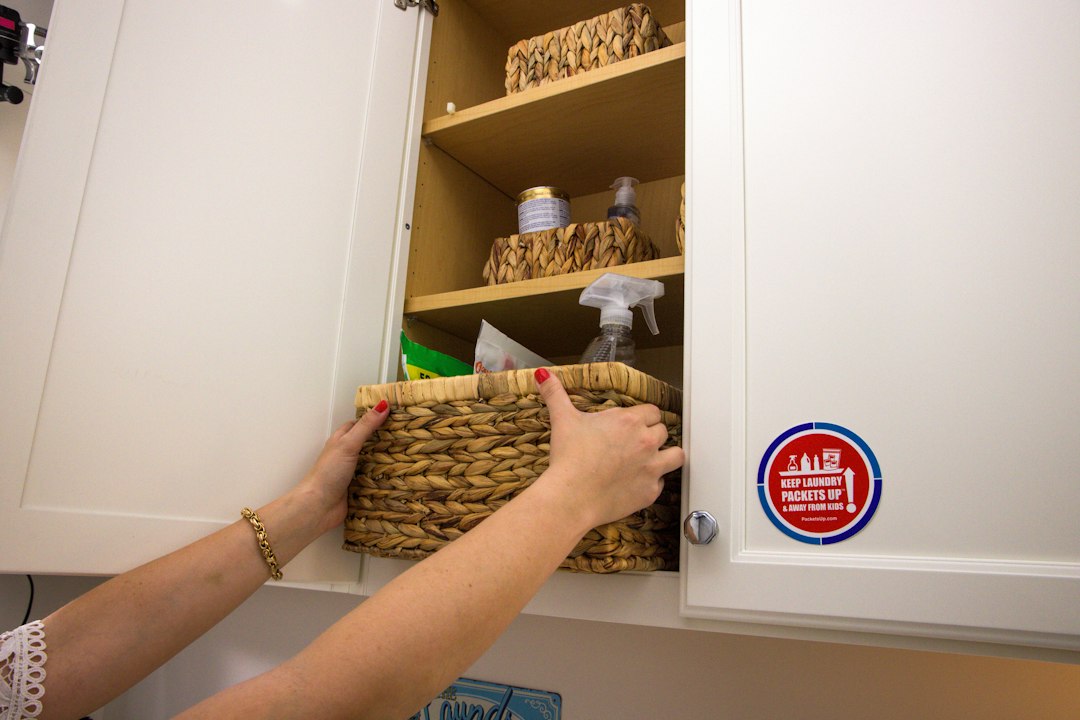
Picture this: you need a sponge fast, but opening the sink cabinet dumps a storm of bottles and plastic into your lap.
That everyday scramble is what "organize under the kitchen sink" fixes. The goal is clear: create an accessible, hygienic, and safe storage zone for cleaning products, trash-bag rolls, sponges and small tools—without blocking pipes or creating leaks and odors. Below is a practical, step-by-step process that starts with the finished setup and then walks backward through each action you should take.
What a properly organized under-sink looks like
A useful under-sink setup has: a defined zone for hazardous cleaners, a tray or mat to catch drips, containers that fit around plumbing, one pull-out or tiered organizer for visibility, frequently used items up front, and small items corralled in labeled bins or drawer trays. The arrangement leaves at least 1–2 inches of clearance around the pipes and the shut-off valves accessible.
Step 1 — Empty, clean and inspect
Remove everything. Lay items on the counter and wipe the cabinet interior with a mild cleaner. While empty, inspect for leaks, soft wood, mold, odor, or water stains. If you find active leaking or soft cabinet flooring, address that before reorganizing—prop a bucket under the pipe and call a plumber if you can’t stop the leak yourself.
Step 2 — Sort by use, hazard and size
Sort items into these groups: daily-use (dish soap, sponges), weekly cleaners (all-purpose, glass), hazardous (bleach, drain cleaners), consumables (trash bags, gloves) and duplicates/expired items. Dispose of empty or expired containers safely—follow local disposal guidelines for hazardous liquids. Consolidate similar bottles where possible (pouring small amounts into clearly labeled travel-size bottles can help if you use a lot of product).
Step 3 — Measure the space—and the plumbing
Measure the cabinet width, depth and interior height and note the vertical and horizontal position of the garbage disposal, P-trap and shut-off valves. Mark off a clearance zone: leave at least 1–2" around the P-trap and keep shut-off valves reachable without moving heavy boxes. These dimensions determine what organizers will fit.
Step 4 — Choose the right organizers
Pick products that match your measurements and the items you store. For many kitchens, a two-tier or three-tier under-sink organizer with adjustable height is ideal because it increases vertical storage without touching pipes. For narrow spaces, L-shaped or C-shaped baskets fit around plumbing. Small clear bins or drawer trays work for sponges, dish brushes and replacement pads.
Why this product: the three-tier design increases storage capacity and keeps bottles visible and separated—useful when you need to keep hazardous cleaners apart from food-safe items.
Step 5 — Protect the cabinet floor and contain leaks
Place a waterproof tray, silicone mat, or shallow plastic bin on the base to catch spills and make cleanup easy. If you’re storing bleach or other caustics, use a secondary containment bin for those bottles. For extra prevention, keep a small absorbent pad or hand towel tucked under high-risk bottles.

Step 6 — Arrange items for access and safety
Put daily-use items up front on the pull-out shelf or top tier. Store hazardous cleaners in a separate labeled bin toward the back or on a bottom shelf if your household has children—preferably locked or with childproof caps. Keep baking soda and odor absorbers in a corner to neutralize smells. Bulky items like a tall spray bottle should stand upright; lay long rolls of trash bags on the door-mounted rack or in a side bin to save floor space.
Step 7 — Use cabinet doors and vertical space
Door-mounted racks or adhesive hooks are ideal for spray bottles, gloves, or a small brush. Vertical tension rods behind the P-trap can support spray bottles by the neck. Label the front of bins so everyone in the household can find and return items correctly.
[h3]Small decisions that make a big difference[/h3]If you have a garbage disposal, keep a basket for disposal-friendly items like citrus peels and saving a sink strainer nearby. If mold is a recurring problem, leave the cabinet door slightly ajar after heavy dishwashing or store a small desiccant pack inside.
Troubleshooting common problems
- Organizer hits pipes: Measure differently—switch to an L-shaped or low-profile basket that fits beside the P-trap.
- Persistent odor: Replace the sponge regularly, keep an open box of baking soda inside, and clean the cabinet floor with an enzymatic cleaner.
- Items slide or fall: Use non-slip liners on shelves and secure tall bottles with a short tension bar or a Velcro strap.
- Limited height: Stack with stable risers or choose clear front-facing bins so contents remain visible without stacking too high.
Maintenance routine to keep it tidy
Every month: remove anything spilled, check for leaks, and wipe surfaces. Every three months: discard expired chemicals and consolidate duplicates. After deep cleaning sessions, reset the most-used items to the front so the system keeps working for you.
Related reading
For more small-space ideas that pair well with under-sink organization, see 15 Simple Kitchen Organization Ideas That Actually Save Space and How to Organize Kitchen Cabinets Without a Complete Remodel.

- Empty the cabinet and inspect for leaks or mold.
- Measure cabinet interior and note plumbing/shut-off locations.
- Sort items: daily-use, hazardous, consumables, toss/replace expired.
- Place a waterproof tray or mat before adding organizers.
- Install a pull-out or tiered organizer matched to measurements.
- Use door-mounted racks and labeled small bins for loose items.
- Schedule monthly quick checks and quarterly declutters.
Organizing under the kitchen sink is mostly about clear zones, plumbing clearance and leak protection. Measure first, contain spills, choose organizers that fit around the P-trap, and create an easy-access front zone for daily items.
How much clearance should I leave around the P-trap?
Leave at least 1–2 inches horizontally and vertically so pipes and shut-off valves remain accessible and you can spot leaks quickly.
What’s the best organizer type for awkward plumbing?
Use L-shaped, C-shaped, or low-profile tiered organizers that wrap around pipes; adjustable-height racks are helpful if vertical space is limited.
How do I safely dispose of old cleaning chemicals?
Check local hazardous waste guidelines; many municipalities offer drop-off days. Never pour concentrated chemicals down drains unless local rules allow it.
Can I store food under the sink?
Avoid storing food directly under the sink because of moisture and chemical exposure; if you must, keep food in sealed containers and separate from cleaning supplies.
How do I stop mold and mildew under the sink?
Fix leaks, use a waterproof tray, wipe the area dry, and keep a small desiccant or baking soda box to absorb moisture and odors.